The Most Globalized Place on Earth by Valerie Hansen

Summary of Chapter

Valerie Hansen (2020) describes the globalization and its effect on China. Under the Tang dynasty, eunuchs inspected foreign merchant ships’ cargo, selected what they wanted to buy for the royal courts, and then allowed the merchants to sell whatever was leftover. From the early Song to 1030, the emperor invited and continued the tribute system with trading partners. Later, the system halted and shifted to taxing foreign goods. Superintendents, who oversaw trade, taxed foreign merchant ships three times. The first tax was a 10-20% tax on the total cargo value of the ship. The second tax was a lowering of prices on luxury goods that only the Song government could buy. The third tax was on bulk goods, which could be sold directly to Chinese consumers. One port, Quanzhou, did not have a superintendent, but it still prospered through smuggling. Later, once a superintendent was assigned, this city surpassed Guangzhou in prosperity. This prosperity changed the lives of Fujian residents. Many stopped farming subsistence items in favor of cash crops such as lychee, sugarcane, and hemp. Most farmers bought food from the markets, or quit farming to work in the mines, to fish, or to harvest ocean salt. 5-10% of Fujian population of 5 million were involved in manufacturing of ceramics.

The biggest and most fashionable import from overseas was aromatics or scented woods. Regardless of their socioeconomic class, everyone in China purchased or used aromatics in the daily lives. They used them to fragrant their houses, clothing, and their bodies. They were used in drinks, snacks, and foods. They were included in their medicines. The wealthy consumed large qualities of them and used them to display their wealth. Emperors created their own brand of incense. Chinese merchants experimented with multiple scents to improve the taste of snacks, which were bought even by the poorest of customers. A rebellion in Central China was caused because the locals did not like how the government made them buy aromatics in large quantities.

Interesting Tidbits

There were a lot of interesting trivia included in this chapter about maritime trade and the impact of China’s participation. One trivia point is that Chinese coins were circulated and used as currency in Japan and Java during this time period. Also, under the Yuan Dynasty, Chinese learned more about the geography of Southeast Asia as well as new navigational technology. However, they all thought the world ended beyond the Philippines and that any ship there will just drain out. Therefore, Chinese navigators did not explore the area beyond the Philippines.

Connection to Guiding Question

This chapter’s main focus was the impact of aromatics had on the lives of Chinese under the Song and Yuan dynasties. Aromatics, like scented woods, were not a Chinese local item. They came from trade with Southeast Asia and Indian. Chinese people used them as perfumes, as flavors for their snacks, and as medicines. They were a product everyone used. In exchange for aromatics, they traded ceramics, silk, metals, cash crops, and other materials. Since oversea countries wanted those products, Fujian province focused their economy on those items. About everyone in Fujian was involved in the growing, mining, and manufacturing of exports. Globalization affected the Quanzhou and its province of Fujian.

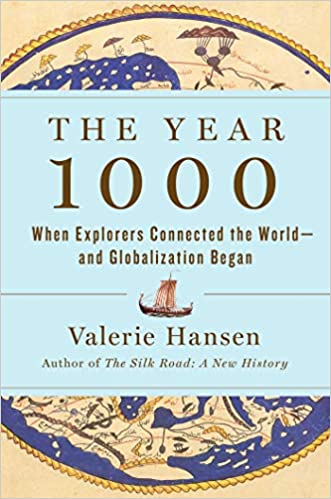
Hansen, V. (2020). The most globalized place on Earth. In The Year 1000: When Explorers Connected the World. Scribner.
Waves of Fortune: China’s Maritime Silk Road

Summary of the TV program

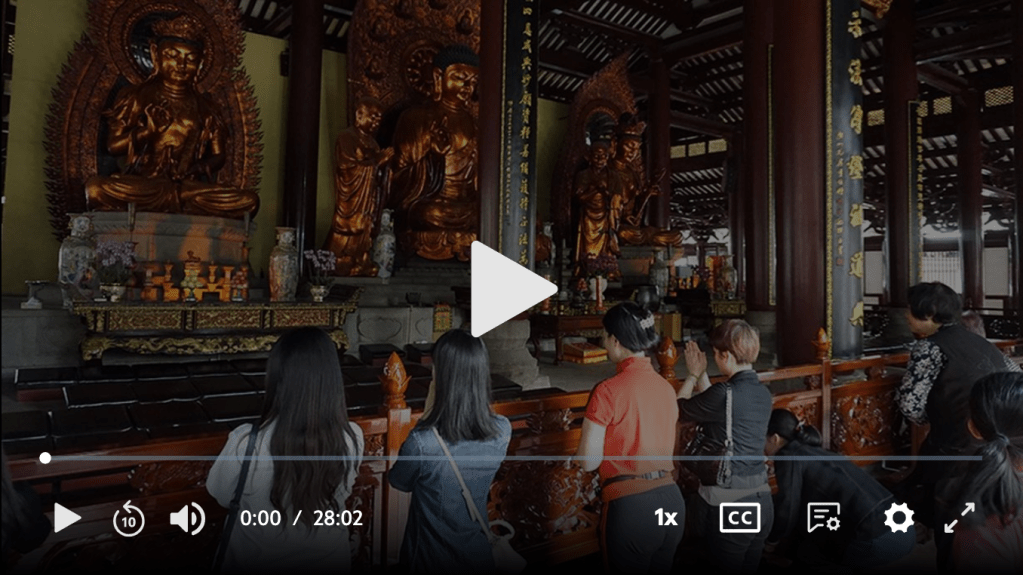
Screenshot of the program

This special documentary explains the story of China and its maritime trade history. Beginning with the Qin and Han dynasties, China started its maritime trade because war violence made it harder to use the land routes. Using the sea routes to Persia, Africa, and the Middle East, China traded porcelain, tea, and silk in exchange for spices, ivory, and metals in the city of Guangzhou (Canton). With the rise of maritime technology, more travelers arrived in China, bringing with them different religions, such as Buddhism, Islam, and Christianity. During the Golden Age, under the Tang and Song dynasties, the rise of trade increased that China had to open a Bureau of Foreign Shipping in 1087 in the port city of Quanzhou. During this time, many foreign traders and clerics made Guangzhou and Quanzhou their new lasting home. Their tombstones and descendants are still around today.

Under the Ming Dynasty and its one-port mandate, all southern port cities besides Guangzhou were closed to foreign trade. In 1757, Guangzhou was the only port city opened for the new European and American traders, who wanted tea, porcelain and silk. At Guangzhou, huge storage facilities were built but were burned down due to the 1840 Opium Wars. Robert Morris, a British resident to Guangzhou, translated the first bible into Chinese and wrote the first Chinese-English dictionary. Since the 2000s, China has started a new economic project called “One Belt, One Road”, which was inspired by the old silk trade. From this project, many merchants from the old trading areas in Africa, the Middle East, Europe, Southeast Asia, and South Asia come to the Canton Fair to buy and be inspired by the new products sold there.

Interesting Tidbits

Although this video program did not go into specific details about the maritime trade, I did learn some interesting tidbits. One of them was the sea goddess, Mazu, who has no connection to any of the mainstream religions that were brought to Quanzhou. According to local folklore, Mazu was a Quanzhou resident who was respected in the community and swam well. After she died, the residents made her into a sea goddess and prayed to her for safe travels on the sea. Mazu is a reflection of how much the sea and maritime trade had on the lives of the Guangzhou and Quanzhou residents during Tang and Song dynasties. Another interesting tidbit is that because there was so much trade in Quanzhou, the Quanzhou government needed to open its first customs, which they named “Bureau of Foreign Shipping”, in 1087.

Connections to Guiding Question

Although this informative program mostly focused on the maritime trade and its multicultural effects it had on Guangzhou, this informative program did provide important political, economical, and social background information about the Chinese maritime trade, the goods the country exported, and the legacy this maritime trade still has in present China. When Quanzhou was mentioned, the program explained that Quanzhou became the home of maritime trade foreign merchants and what they left behind were artifacts, buildings, and living descendants, who still reside in the city. The program also provided me with names of important government buildings and folklore religions to help me with my research.

Waves of Fortune: China’s Maritime Silk Road [Television series episode]. (2017, October 12). In Waves of Fortune: China’s Maritime Silk Road. Guangzhou, China: PBS.