The Taste of Silk Road: The Taste of Quanzhou

Summary of Video

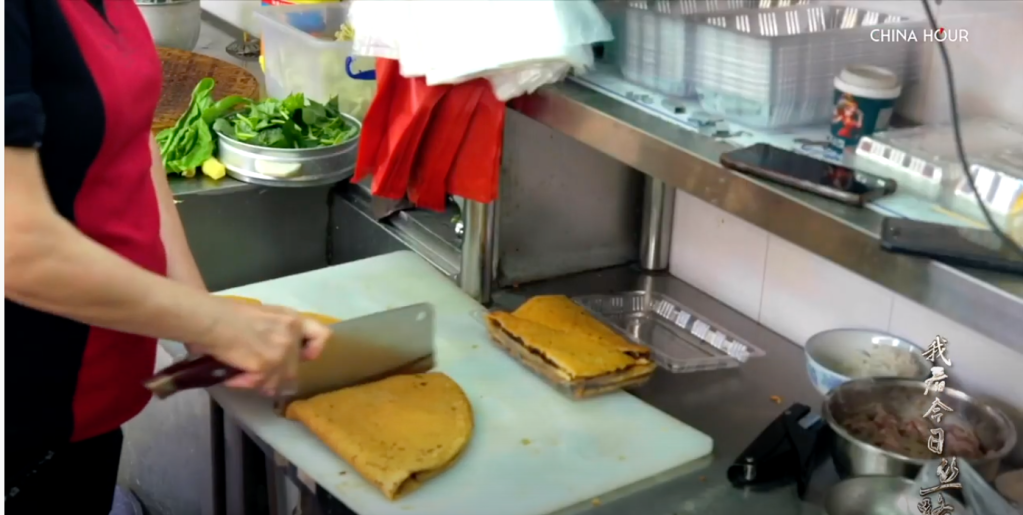
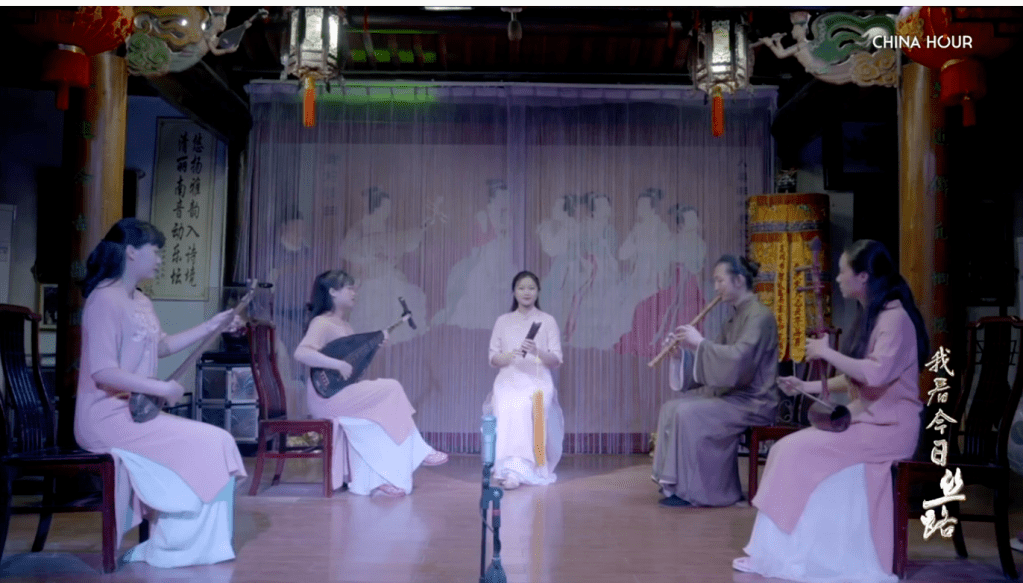
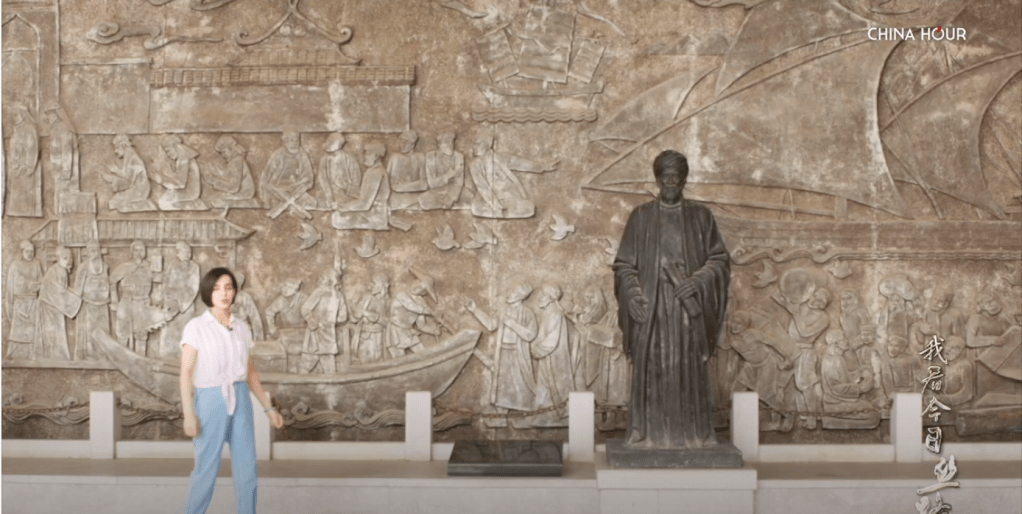
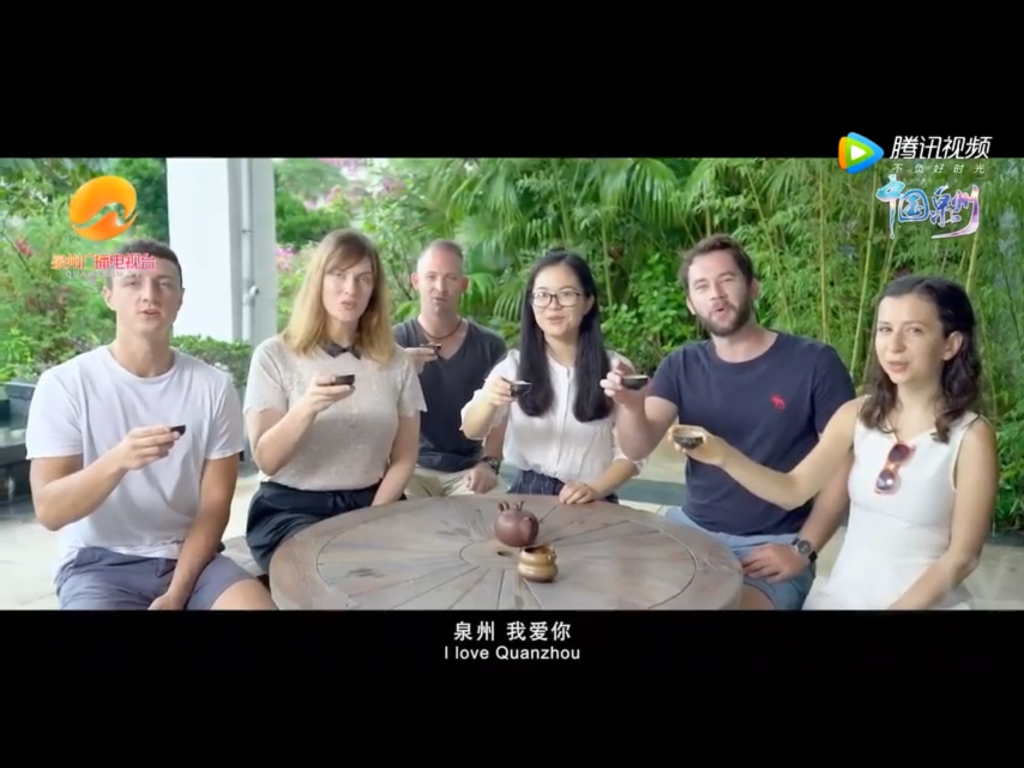
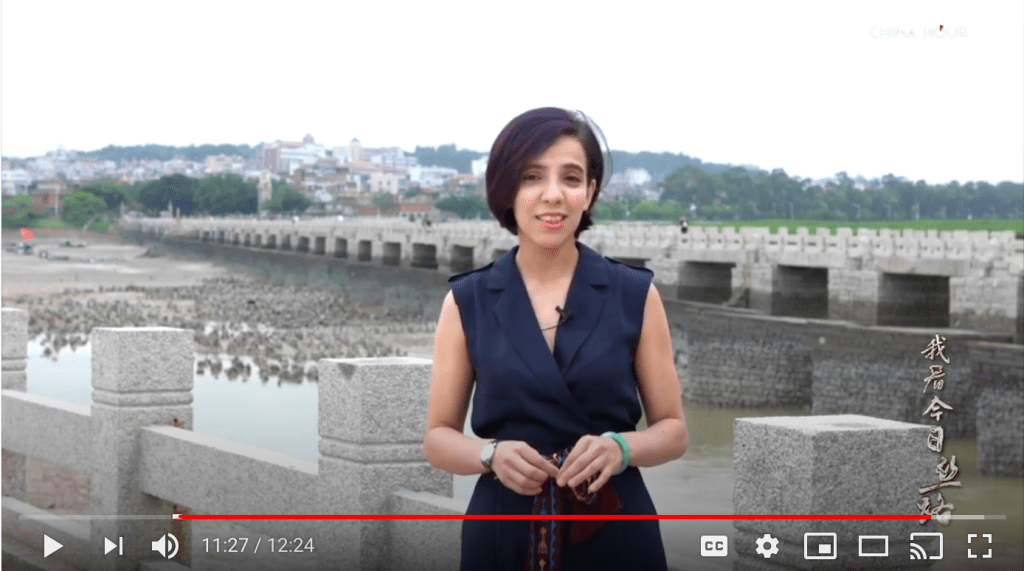
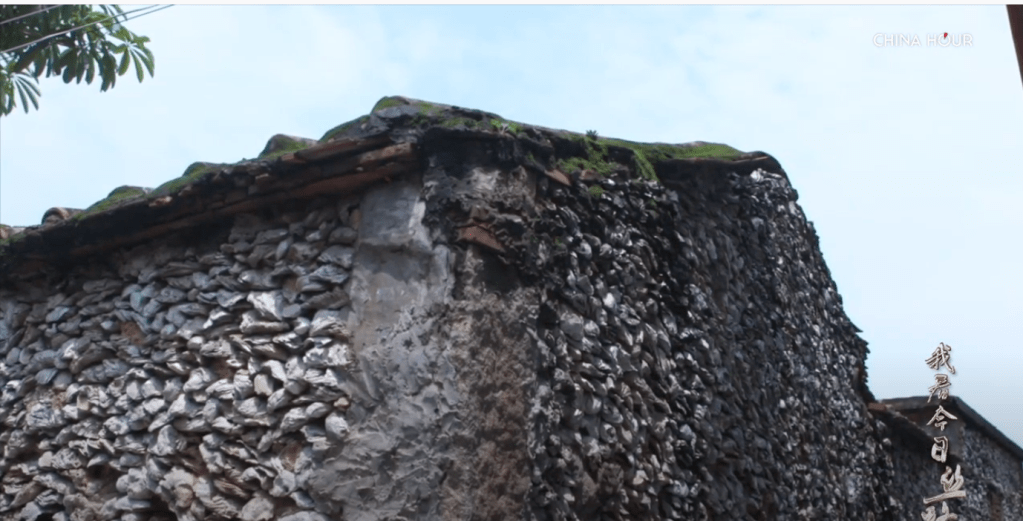
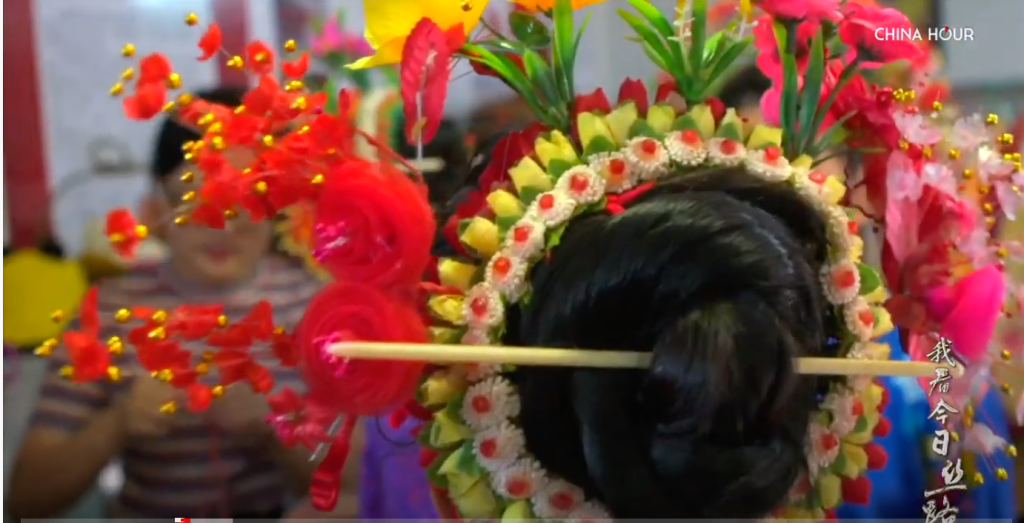
China Hour (2020) explains the three cuisines that you can enjoy in Quanzhou with some interesting historical tidbits on the sides. The host, Vang Wei, explains that Quanzhou is known for its seafood especially oysters. One of Quanzhou’s historical attractions is Xunpu Village, an ancient oyster fishing village. At Xanyu village, houses were built using oysters since they were good at regulating temperatures. For example, in the summer, these walls keep the house cool, and in the winter, these walls keep the house warm. The host also explains that many people in the village claim that they are the descendants of the powerful Quanzhou merchant, Pu Shougeng. This powerful merchant also introduced the “circle hairpin”, the hairstyle that village women wear. The second food is a snack that you can eat today in West Street, Quanzhou. According to local legend, it was created by a local general to feed shipbuilders. The third cuisine is tea. One of the local Quanzhou customs is to drink tea while watching “Southern Ancient Rhyme”. Listed as a World Culture Heritage, Southern Ancient Rhyme uses the the crooked-neck Pipa instrument, which looks like the Oud, an Arabic instrument.

Interesting Tidbit

Although I wanted to hear more about the local cuisines, Vang Wei told me more about Quanzhou’s local legends. One was about the construction of the Keiyuan Temple and how the builder of Keiyuan temple owned land with many mulberry trees. One of his trees was covered with white lotuses, so he decided to build the Keiyuan temple around that tree. Although that story is just a legend, the host explains that the builder or land owner of Keiyuan Temple was a second generation leader of a clan that introduced mulberry tree planting, silk weaving, and others skills to the Quanzhou locals. Vang Wei says that because of this, Quanzhou was able to keep selling silk to Europeans and Arab merchants.

Connection to Guided Question

Through all my research, I learned how the multiculturalism of Quanzhou affect Quanzhou’s local culture, architecture, religion, and economy, but I have yet to see how they affected Quanzhou’s local cuisine. Although this video did not share as much as I would like about Quanzhou’s food, the video did share how these cuisines affected the local customs and these customs were influenced by the city’s multiculturalism. An ancient village that fishes for oysters are descendants from a foreign merchant and keep the traditions they learned through him. Quanzhou as a maritime trade city was known for shipbuilding, so of course, a local snack is related to that industry. Lastly, Quanzhou like to drink tea while listening to the Pipa instrument. The development of the Pipa instrument was inspired by the Arabic Oud instrument.

China Hour. (2020, June 16). The taste of silk road: The taste of Quanzhou [Video]. YouTube. https://youtu.be/gQ3Q3GKPcnA

China Quanzhou 2017 City Promo Film

Summary of Video

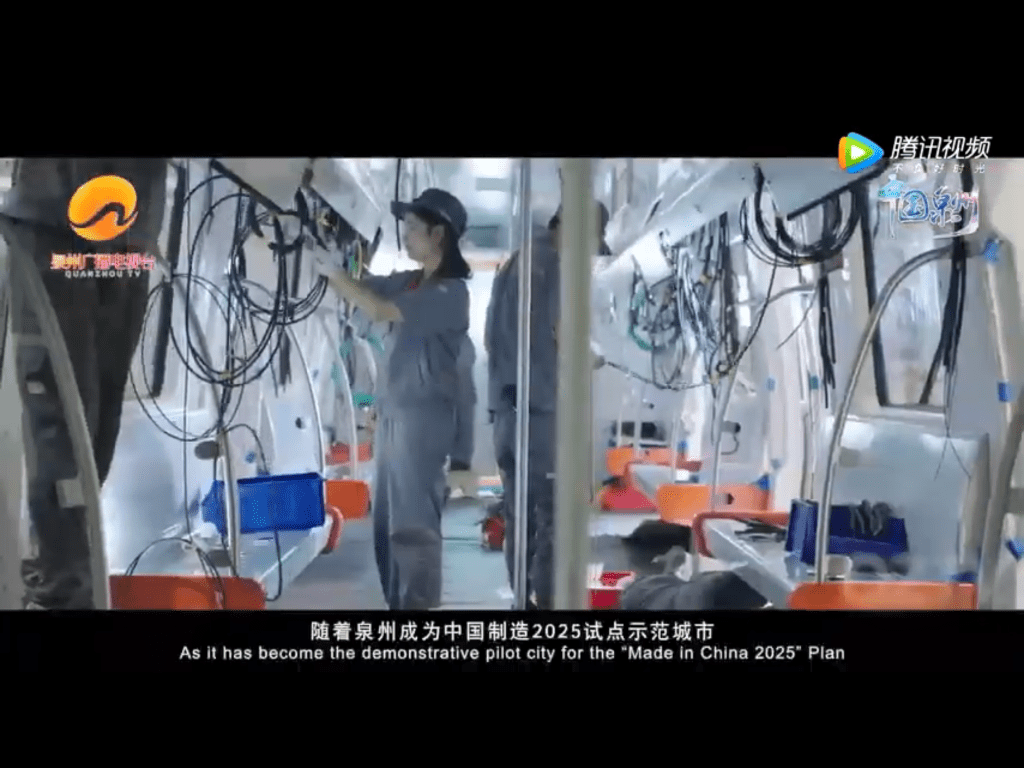
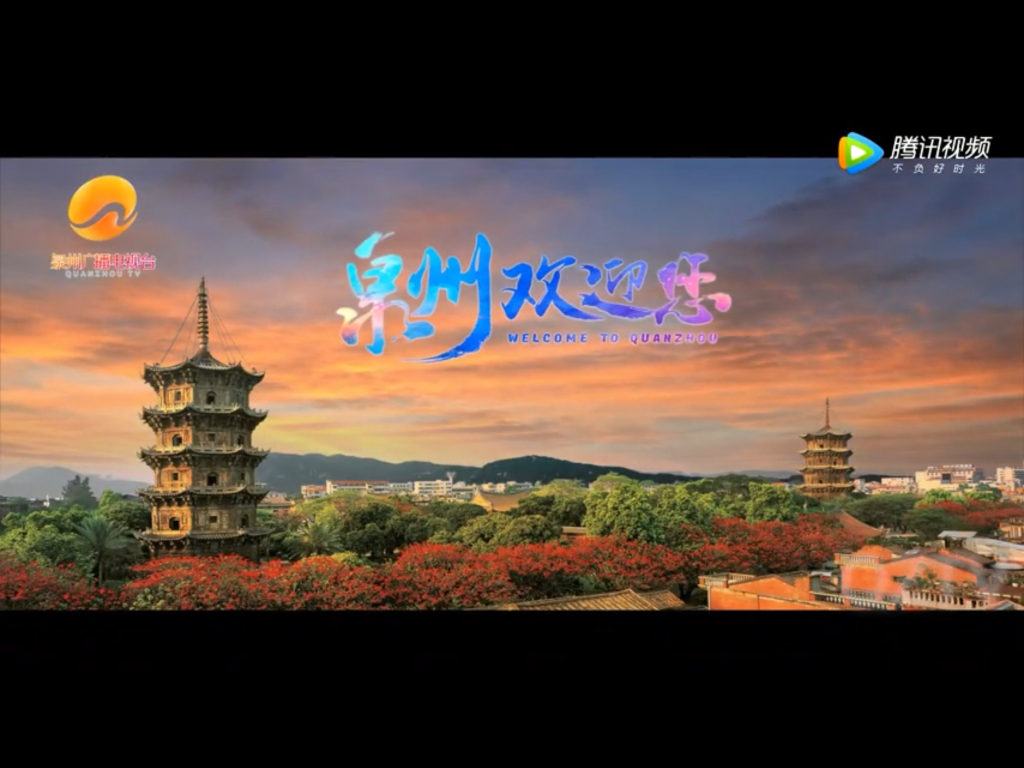
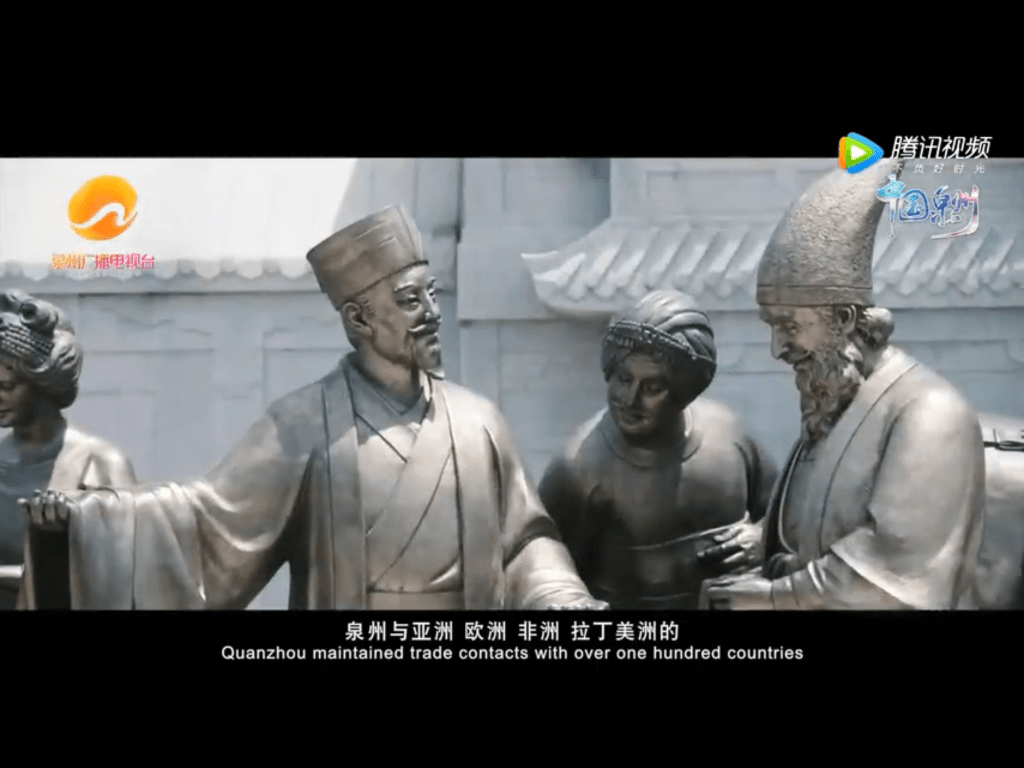
This short ten-minute video is a promotional video for the city of Quanzhou. First, the video explains Quanzhou’s ancient history. Under the Song and Yuan dynasties, Quanzhou was both a huge maritime trade port as well as a city with many religions and ethnic groups co-existing peacefully. Since the city has maintained their historical sites and cultural relics so well, the city is listed in both the Cultural Heritage List and Memory of the World Register. Second, the video explains how Quanzhou has been a pilot city for China’s “real economy”, which promotes and expands private industries. Quanzhou has several major industries: textiles garments, shipbuilding, footwear, home furnishing, petrochemical, and mechanized equipment. The surrounding areas are also doing well in growing tea, designing ceramics, and making aromatics. The video concludes that Quanzhou is a city that strives towards industrial transformation and technological innovations.

Interesting Tidbit

Although this isn’t related to my guiding questions, it was interesting to learn that Quanzhou and Fujian’s local Chinese population under the Song and Yuan dynasty created special types of music. Known as the “living fossils”, these musical styles include Nanyin music and Liyuan opera. The Nanyin includes the playing of local instruments and lyrics from the local Fujian dialect.

Connection to Guiding Question

I watched this video because I wanted to see how much of the old Quanzhou is present in the modern-day Quanzhou. It still is. Like the Quanzhou that was ruled under the Song and Yuan dynasties, modern-day Quanzhou relies on manufacturing and cash crops to boost its economy. Quanzhou and its surrounding areas manufactures ships, grows tea, and designs textiles and ceramics, like Quanzhou did under the Yuan Dynasty. Of course, modern-day Quanzhou has expanded its industries to include manufacturing buses, creating home furnishing, and designing footwear. From 900AD to 2017 AD, Quanzhou is a city that strives towards industrial transformation and technological innovations.

YANG, J. (2018, September 7). 中国福建泉州2017城市宣传片(China Quanzhou 2017 City Promotional Film) [Video]. YouTube. https://youtu.be/cTWCdHqS3Dc

Quanzhou: Where world cultures meet

Summary of Video

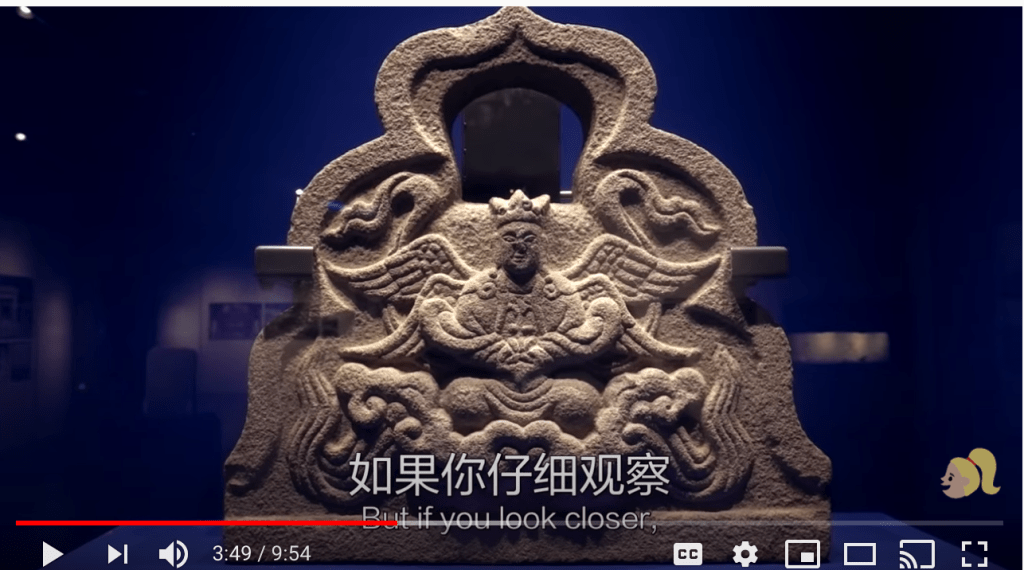
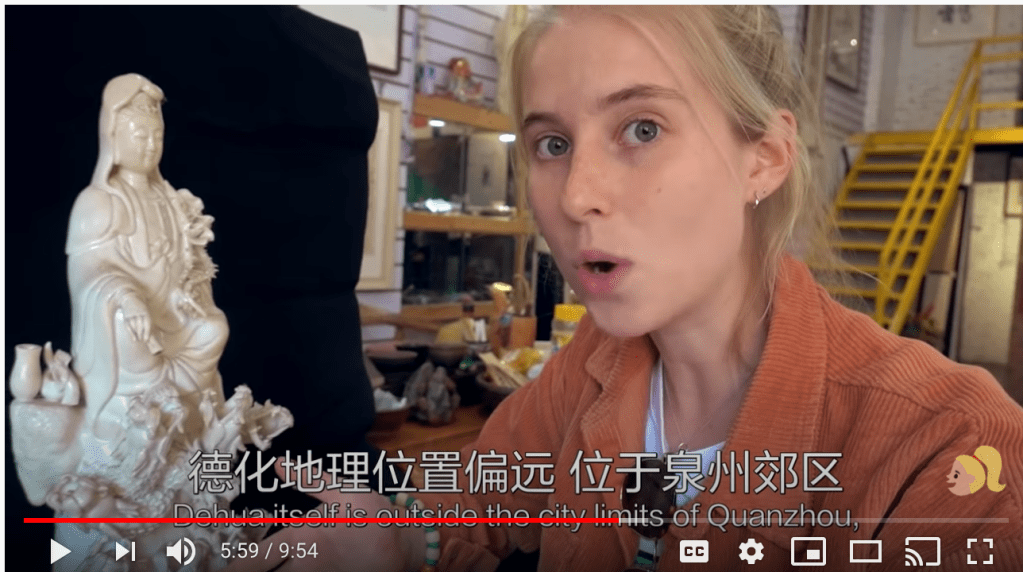
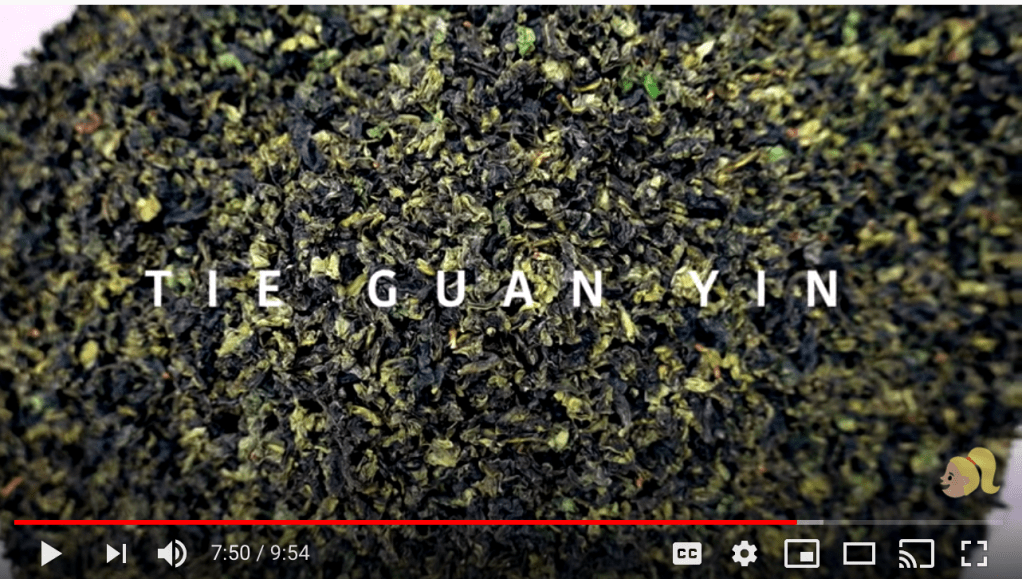
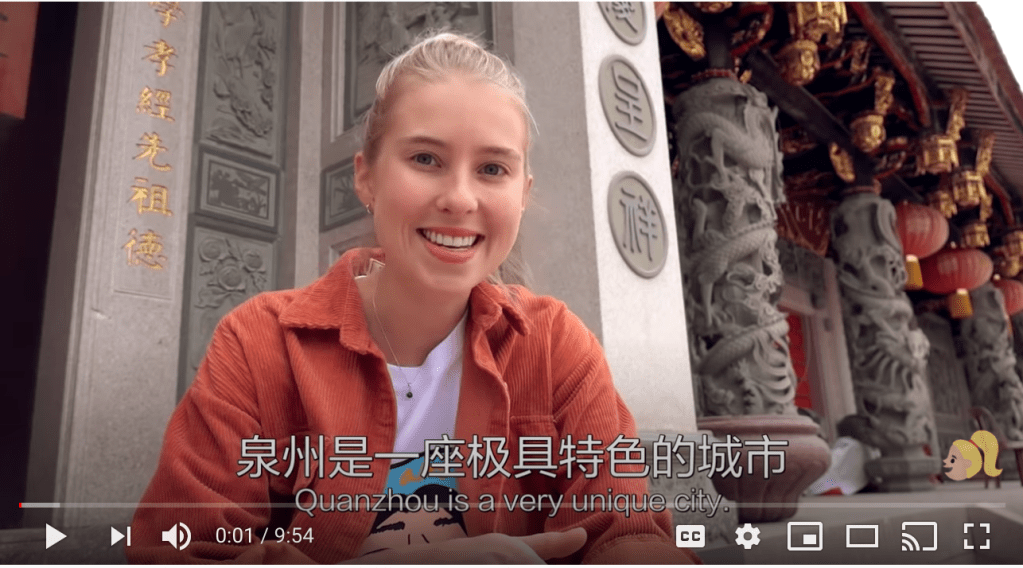
An Australian Youtuber, Amy or “Blondie”, who has traveled and lived in China for five years, presents an informative overview about the culturally diverse city of Quanzhou. In this video, she first explains that Quanzhou was a cultural city that valued religious freedom and openness. While walking, she shows that the Qingjing Mosque, the Guanyu Temple, Quannan Christian Church, and Kaiyuan Temple are all a short walking distance from each other. In Quanzhou, she elaborates that you can see a mixture of religions through Hindu motifs on the Kaiyuan Temple’s two pagodas and the 4-Wing Angel carving that resides in the Quanzhou Maritime museum. She also discusses the popular items that Quanzhou exported around the world, which includes white porcelain made in Dehua and Tie Guan Yin tea produced in Anxi. From 900-1200AD, Dehua area, which is located in the outskirts of Quanzhou, produced white porcelain, which was sent around the world and known for its color and quality. It was a sought-after item by Europeans during the Ming dynasty. Tie Guan Yin tea was produced in Anxi, an area located in periphery of Quanzhou, and is still known for its sweet taste and nice fragrance.

Interesting Tidbits

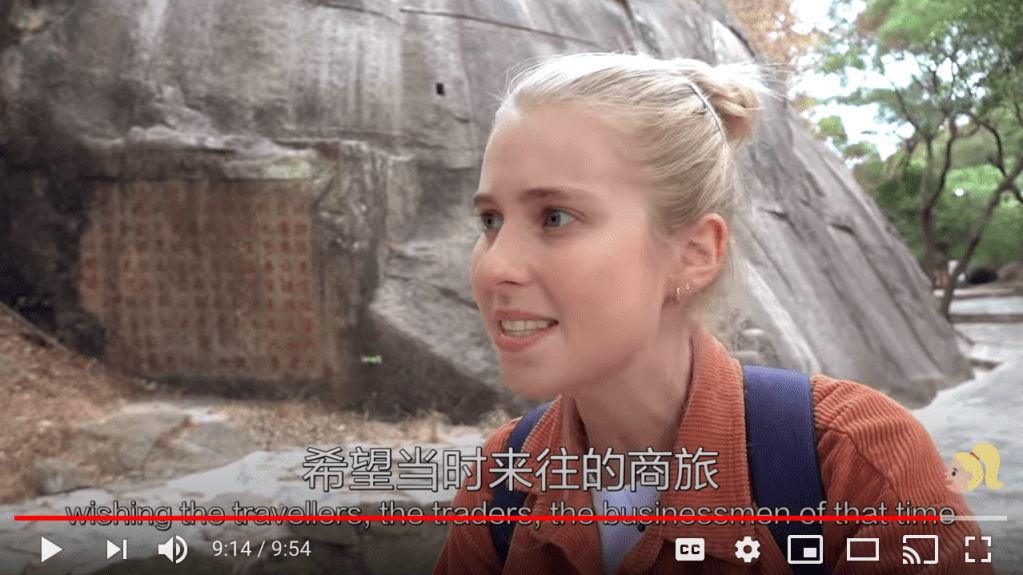
There are a lot of interesting tidbits she discussed during this video. One of them was the everlasting multiculturalism of Quanzhou. Along the alleyways or houses, one can still see the Arabic influences. When asked about it, one staff member at the Quanzhou Maritime Museum explains that around 60,000-70000 of the Quanzhou population are descendants of Arabic maritime traders. Another interesting tidbit is the meaning behind the inscription on the stones on Jiuri Hill. According to Blondie, these inscriptions are prayers in the wind that wishes “travelers, traders, the businessman at that time safe travels, good winds, and smooth sailings”. Blondie believes this shows that Quanzhou loved the foreigners that came to Quanzhou.

Connection to Guiding Questions

This video answers both questions. It provides an explanation for the cultural and economic reasons why Quanzhou became a multicultural city. The cultural reason is that Quanzhou was open to foreigners, their culture, and their religions. Foreigners are more likely to stay in a place and make that place their home if the city and the community welcomes them. The economic reason is that the major exports that China gave the West was tea and porcelain, and those were developed in the periphery of the city. However, these two sites could have been created because Quanzhou was already a port city and developed sites closer to Quanzhou.

Blondie in China. (2019, December 19). Quanzhou: Where world cultures meet [Video]. YouTube. https://youtu.be/Ubs8a89sWL4

Waves of Fortune: China’s Maritime Silk Road

Summary of the TV program

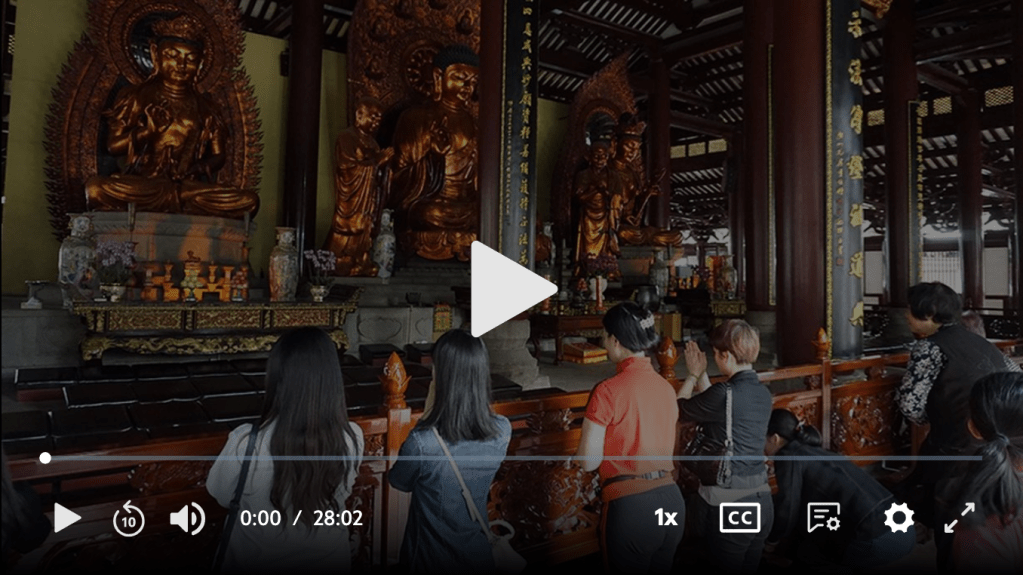
Screenshot of the program

This special documentary explains the story of China and its maritime trade history. Beginning with the Qin and Han dynasties, China started its maritime trade because war violence made it harder to use the land routes. Using the sea routes to Persia, Africa, and the Middle East, China traded porcelain, tea, and silk in exchange for spices, ivory, and metals in the city of Guangzhou (Canton). With the rise of maritime technology, more travelers arrived in China, bringing with them different religions, such as Buddhism, Islam, and Christianity. During the Golden Age, under the Tang and Song dynasties, the rise of trade increased that China had to open a Bureau of Foreign Shipping in 1087 in the port city of Quanzhou. During this time, many foreign traders and clerics made Guangzhou and Quanzhou their new lasting home. Their tombstones and descendants are still around today.

Under the Ming Dynasty and its one-port mandate, all southern port cities besides Guangzhou were closed to foreign trade. In 1757, Guangzhou was the only port city opened for the new European and American traders, who wanted tea, porcelain and silk. At Guangzhou, huge storage facilities were built but were burned down due to the 1840 Opium Wars. Robert Morris, a British resident to Guangzhou, translated the first bible into Chinese and wrote the first Chinese-English dictionary. Since the 2000s, China has started a new economic project called “One Belt, One Road”, which was inspired by the old silk trade. From this project, many merchants from the old trading areas in Africa, the Middle East, Europe, Southeast Asia, and South Asia come to the Canton Fair to buy and be inspired by the new products sold there.

Interesting Tidbits

Although this video program did not go into specific details about the maritime trade, I did learn some interesting tidbits. One of them was the sea goddess, Mazu, who has no connection to any of the mainstream religions that were brought to Quanzhou. According to local folklore, Mazu was a Quanzhou resident who was respected in the community and swam well. After she died, the residents made her into a sea goddess and prayed to her for safe travels on the sea. Mazu is a reflection of how much the sea and maritime trade had on the lives of the Guangzhou and Quanzhou residents during Tang and Song dynasties. Another interesting tidbit is that because there was so much trade in Quanzhou, the Quanzhou government needed to open its first customs, which they named “Bureau of Foreign Shipping”, in 1087.

Connections to Guiding Question

Although this informative program mostly focused on the maritime trade and its multicultural effects it had on Guangzhou, this informative program did provide important political, economical, and social background information about the Chinese maritime trade, the goods the country exported, and the legacy this maritime trade still has in present China. When Quanzhou was mentioned, the program explained that Quanzhou became the home of maritime trade foreign merchants and what they left behind were artifacts, buildings, and living descendants, who still reside in the city. The program also provided me with names of important government buildings and folklore religions to help me with my research.

Waves of Fortune: China’s Maritime Silk Road [Television series episode]. (2017, October 12). In Waves of Fortune: China’s Maritime Silk Road. Guangzhou, China: PBS.