
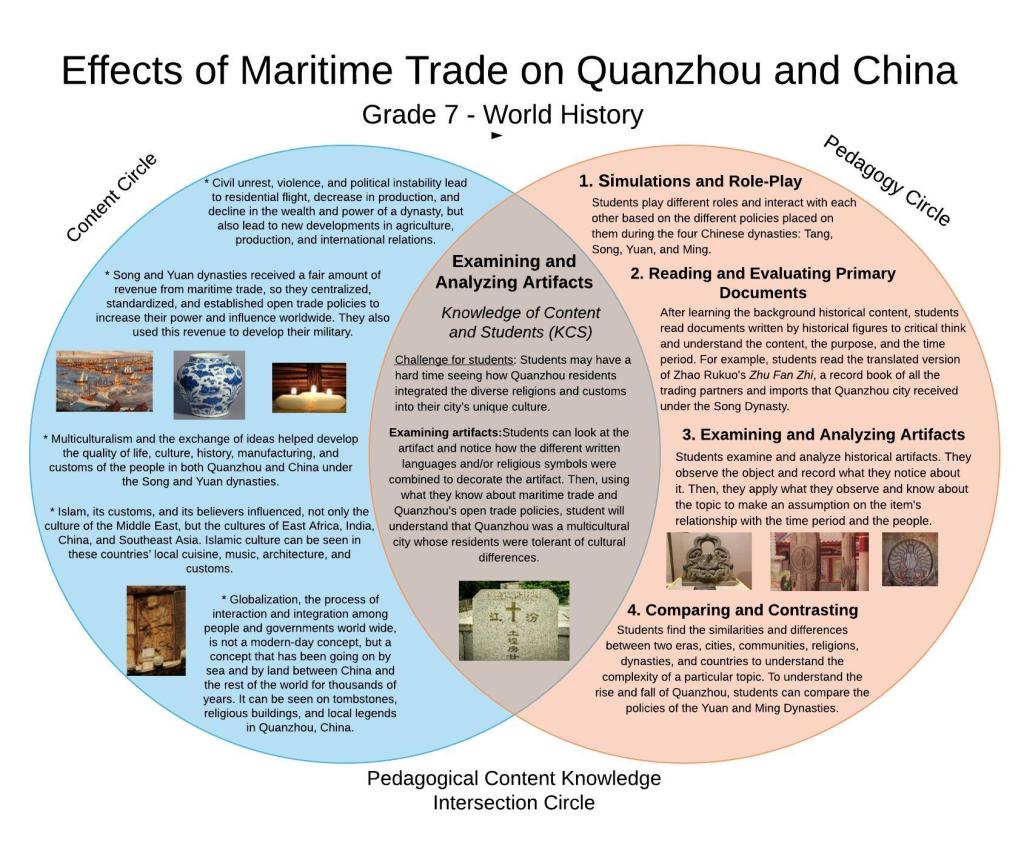
Pedagogical Content Knowledge Venn Diagram
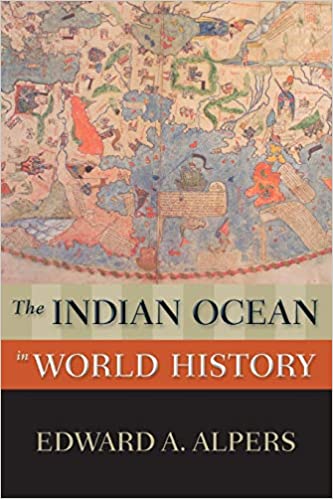
Edward A. Alphers (2013) explains how and why the Indian Ocean became a sea trade area dominated by Islam. After the death of the Prophet Muhammad, the Abbasid Dynasty (750AD – 1255AD) ruled over Baghdad and dominated the western Indian Ocean world. After state building, military expansion, and religious consolidation, the empire demanded luxury goods and encouraged their merchants to trade farther into the Indian Ocean. With blessing from the Qu’ran, their holy book, Muslim Arab-Persian merchants traveled along the coastlines converting the locals into Islam and settling into many maritime port cities. Due to these actions, Islam became a major religion in the Indian Ocean. Muslim traders from all over the Indian Ocean region felt united through “umma”, the community of believers. Although there was political and theological strife on land, Muslim merchants felt connected with other maritime merchants through the same religion, Islam; spoken language, Arabic; and governing law, Islamic law. Due to Islamic expansion, many Nestorian Christians, Persian Zoroastrians, and exile Muslims were pushed out of the Arab Peninsula and into the Indian Ocean to participate in maritime trade.
As the Islamic empire was developing and growing, South China (Nanhai) was also developing and growing. The connection that they built between each other formed a single Indian Ocean trading circuit. Many Arab-Persian merchants came to trade in Guangzhou. However, as the Tang Dynasty declined, these merchants faced violence from rebel leaders and corruption from politicians, so they fled to neighboring Srivijava (present-day Sumatra). During the Song dynasty, Srivijava was competing with their neighboring island, Java as the best trading area in Southeast Asia. Later, a Malay prince converted to Islam to help boost trade between his empire of Malaka and Muslim merchants. After his conversion, his empire rose politically, and in its heyday, ruled over both Srivijava and Java.
When Arab-Persians settled in the port cities in East Africa, many of them married with the local women and integrated into East African society. These merchants also promoted the East African export, gold. Linyi, a port city in Vietnam, was an important port city that frequently traded with China and Persia. However, they lost their power as a trade city when Arab-Persian merchants stopped traveling there in favor of traveling straight to Guangzhou, a much bigger trade port.
Through my research, I have learned that Quanzhou became an important trade city because of economic pressure, high revenues due to trade, convenient geographical location, and political strife in northern China. However, I did not yet learn why Arab-Persians traveled to China. Through this chapter, I learned that foreign traders traveled to China because they were exiled from their homelands, were motivated by their leaders, who wanted more exotic items; and encouraged by their religion. Since almost every port city had a Muslim community who felt bounded by “umma”, it was easy and safe for Muslim merchants to trade and travel overseas. Therefore, this community tie encouraged more Muslims to travel, trade, and settle in a new city away from home.
Alpers, E. A. (2013). Becoming an Islamic Sea. In Title: The Indian Ocean in World History: New Oxford World History (p. 40- 68). New Oxford World History.
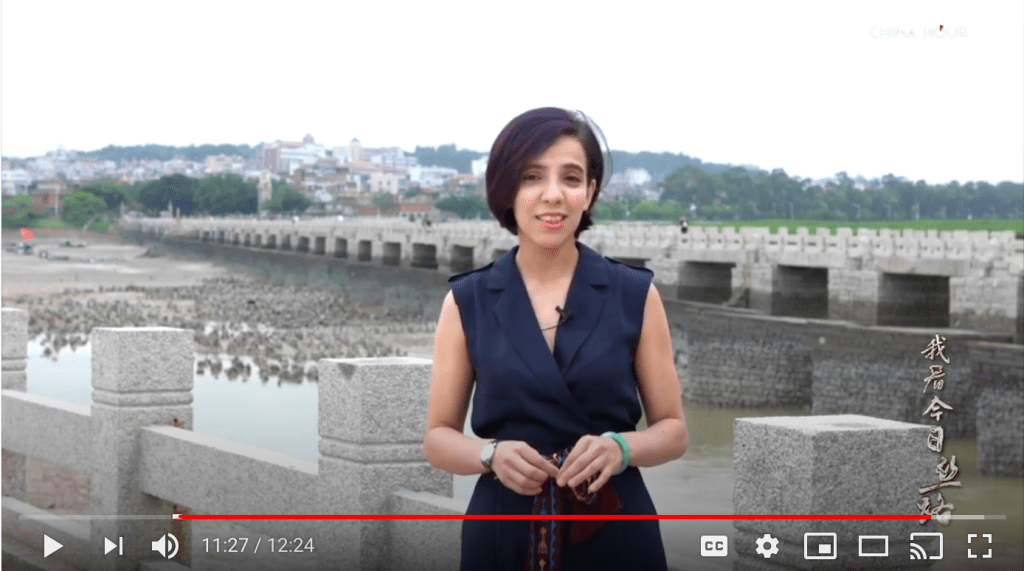
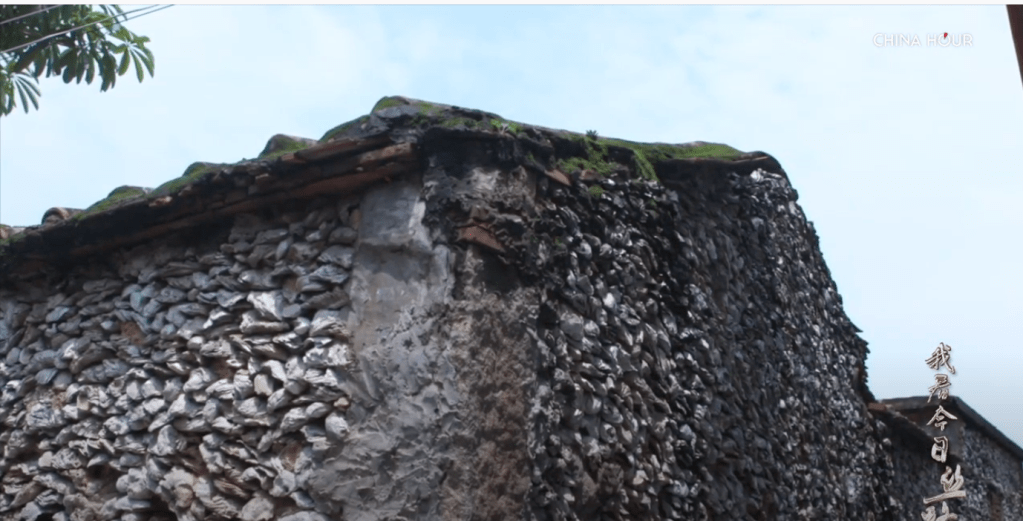
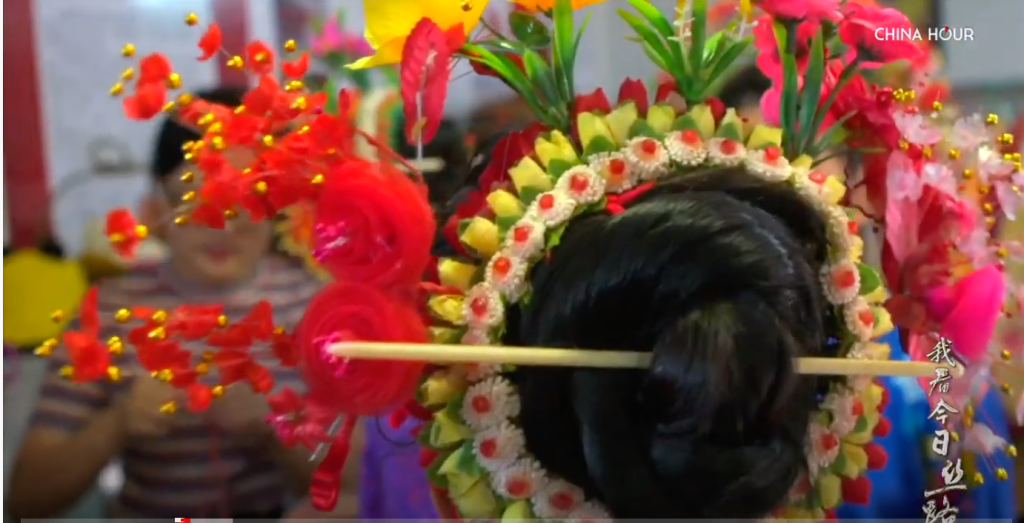
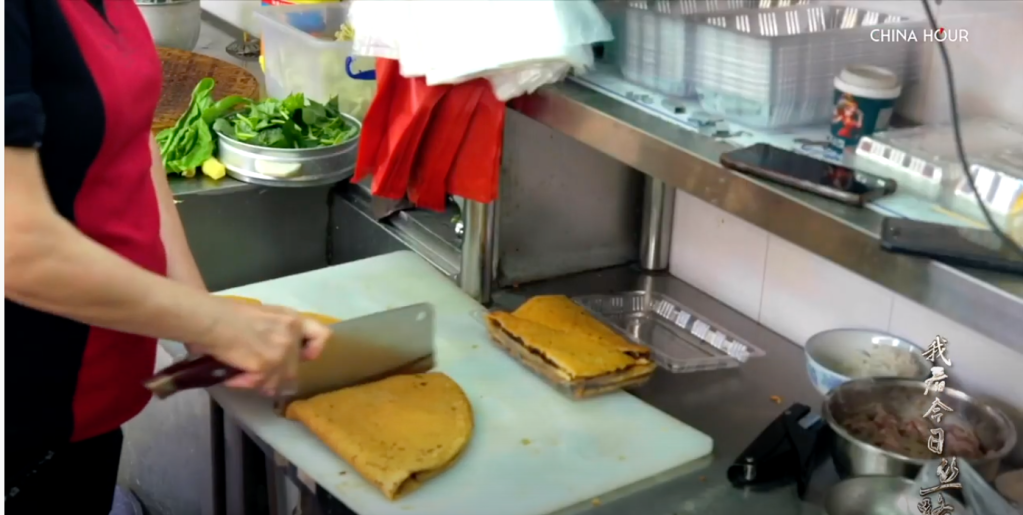
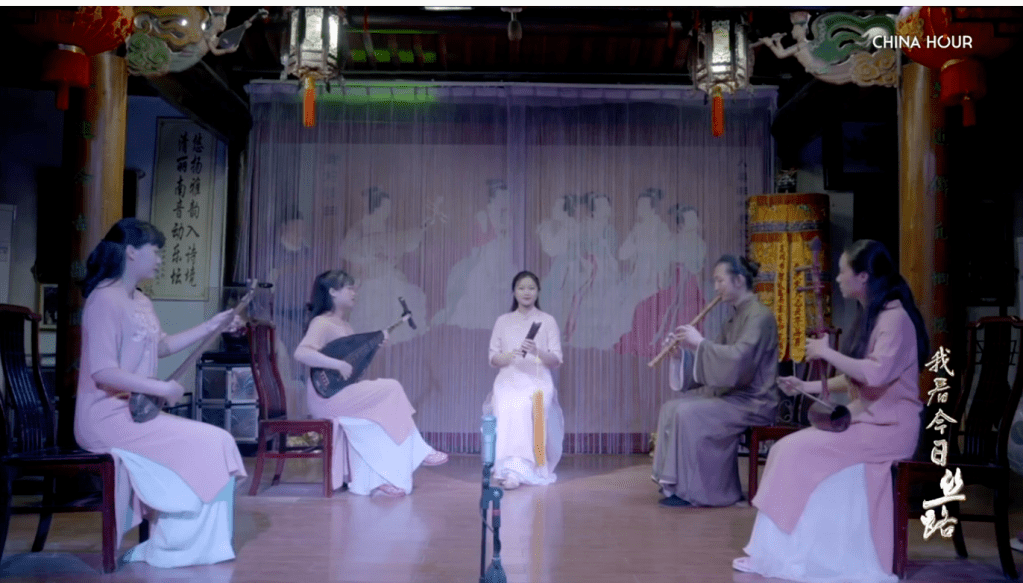
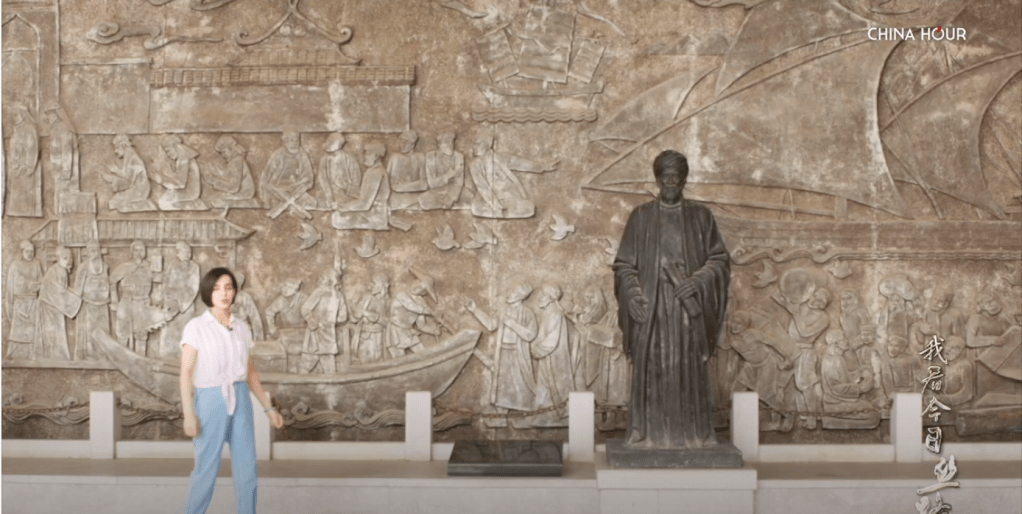
China Hour (2020) explains the three cuisines that you can enjoy in Quanzhou with some interesting historical tidbits on the sides. The host, Vang Wei, explains that Quanzhou is known for its seafood especially oysters. One of Quanzhou’s historical attractions is Xunpu Village, an ancient oyster fishing village. At Xanyu village, houses were built using oysters since they were good at regulating temperatures. For example, in the summer, these walls keep the house cool, and in the winter, these walls keep the house warm. The host also explains that many people in the village claim that they are the descendants of the powerful Quanzhou merchant, Pu Shougeng. This powerful merchant also introduced the “circle hairpin”, the hairstyle that village women wear. The second food is a snack that you can eat today in West Street, Quanzhou. According to local legend, it was created by a local general to feed shipbuilders. The third cuisine is tea. One of the local Quanzhou customs is to drink tea while watching “Southern Ancient Rhyme”. Listed as a World Culture Heritage, Southern Ancient Rhyme uses the the crooked-neck Pipa instrument, which looks like the Oud, an Arabic instrument.
Although I wanted to hear more about the local cuisines, Vang Wei told me more about Quanzhou’s local legends. One was about the construction of the Keiyuan Temple and how the builder of Keiyuan temple owned land with many mulberry trees. One of his trees was covered with white lotuses, so he decided to build the Keiyuan temple around that tree. Although that story is just a legend, the host explains that the builder or land owner of Keiyuan Temple was a second generation leader of a clan that introduced mulberry tree planting, silk weaving, and others skills to the Quanzhou locals. Vang Wei says that because of this, Quanzhou was able to keep selling silk to Europeans and Arab merchants.
Through all my research, I learned how the multiculturalism of Quanzhou affect Quanzhou’s local culture, architecture, religion, and economy, but I have yet to see how they affected Quanzhou’s local cuisine. Although this video did not share as much as I would like about Quanzhou’s food, the video did share how these cuisines affected the local customs and these customs were influenced by the city’s multiculturalism. An ancient village that fishes for oysters are descendants from a foreign merchant and keep the traditions they learned through him. Quanzhou as a maritime trade city was known for shipbuilding, so of course, a local snack is related to that industry. Lastly, Quanzhou like to drink tea while listening to the Pipa instrument. The development of the Pipa instrument was inspired by the Arabic Oud instrument.
China Hour. (2020, June 16). The taste of silk road: The taste of Quanzhou [Video]. YouTube. https://youtu.be/gQ3Q3GKPcnA
The curator of China Online Muslim talks about the history of Chinese ceramics. He/She first explains that ceramics have been an art form in China since the neolithic period. Each dynasty had its own particular type of ceramic. The Tang Dynasty invented “Sancai” or the “3-colored ware”, which was named after the three common glazes: yellow, green, and white. These colors came from metal oxides. For example, the green glaze came from copper while the yellow glaze came from iron. These ceramics were usually made as burial figurines for the aristocracy. Under the Song dynasty, various kilns had their own style of form and glaze. Song ceramics were simple in design and was considered high in quality, technique, and aesthetic. The Yuan Dynasty invented qinghua or “blue and white pottery”, which used a blue underglaze. Unlike the Song simplicity, Yuan ceramics were mass produced, thick, heavy, and large.
The Ming Dynasty perfected the Yuan’s blue and white ceramics as they developed innovations in porcelain production. For example, Dehua kiln in Fujian developed a high-quality pure white porcelain. Ming dynasty sold porcelain in a large scale to Europeans. The curator states that the quality of Ming porcelain is superior to that of any dynasty. Qing Dynasty rebuilt the Ming kilns that were destroyed during the Ming decline and continued the porcelain production.
During the earlier dynasties, kilns were located in the north. However, fleeing from civil war and the Yuans, many potters moved south and opened their own kilns. Dehua in Fujian province is one of those kilns. Also, the Jingdezhen province becomes the center of ceramics production. Under the Ming Dynasty, Jingdezhen played a huge role in porcelain since some of kilns were in charge of making the ceramics for the emperor. The curator also mentioned that when the Qing dynasty declined and China faced political instability, the quality of porcelain also declined. However, today, many newly established kilns are reproducing the traditional porcelain styles.
Ceramics or Chinese porcelain is one of the reasons why Quanzhou became a multicultural city. It was one of the biggest exports that China traded with its trading partners. Many of those partners sent out their traders, who decided to make Quanzhou their new home. By meeting with these traders, the decorative patterns mimicked the foreign trader’s culture and daily life. Later, under the Yuan Dynasty, the Persian traders brought colbalt to China. This metal later became the blue dye in qinghua porcelain, a porcelain that was made popular by Yuan Dynasty. It continued to be popular under the Ming, who traded this porcelain with the Europeans. That’s why porcelain is also called “China” because it came from China or in this case “Global China”.
Yibo, Y. (2006). Ceramics. China Online Museum. Retrieved 2020, from https://www.comuseum.com/ ceramics/
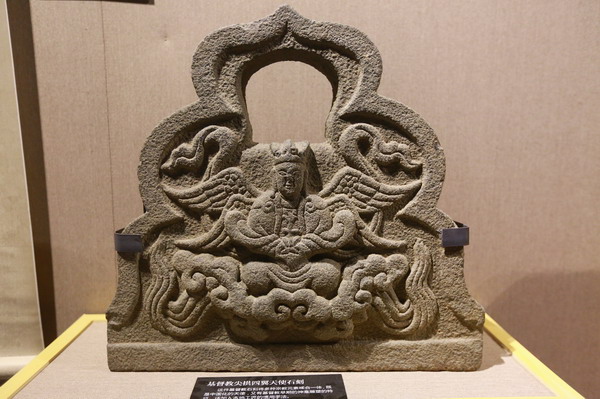
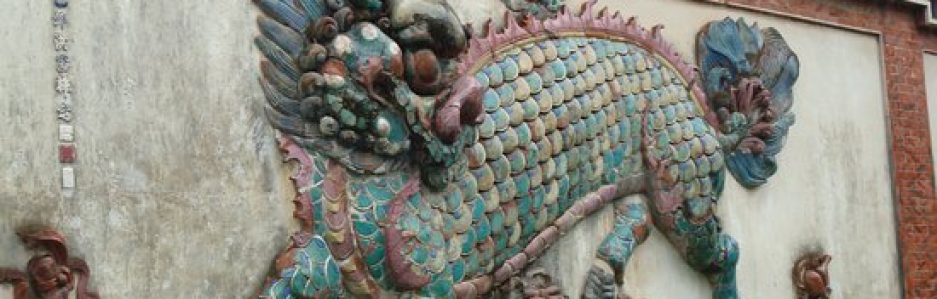
In the Quanzhou Maritime Museum in Quanzhou city, you can see a Nestorian Christian tomb carving that is nicknamed “The 4-Winged Angel”. It is an angel with 4 wings, wearing Mongolian-style clothing. The crown the angel wears is a Buddhist motif. The clouds the angel sits on are the auspicious clouds from Taoism. He also holds a lotus, which is a motif that is linked to both Hinduism and Buddhism. This tombstone was found in Quanzhou city. This carving demonstrates how Quanzhou integrated the religions and cultures of their residential foreign merchants into their local culture.
One staff member at the Quanzhou Maritime Museum explains that having a combination of different religious motifs in one carving was quite rare for China and the ancient world. However, for Quanzhou, this was a regular occurrence because Quanzhou has been a religiously diverse city and its people have been open to new ideas since the tenth century.
This carving demonstrates that foreigners and the religions they brought influenced the local culture of Quanzhou. Before Quanzhou became a multicultural trade city, Quanzhou and the rest of China had Taoism and Buddhism, but during the maritime trade era, Quanzhou welcomed foreign clerics and merchants, and allowed them to practice their religions in peace. However, it could be said that they did more than just “allow” religious tolerance. From looking at this artifact and many others, Quanzhou residents integrated these foreign religious motifs and beliefs into their own customs. Now, Quanzhou city is still considered a religious and cultural diverse city, and the locals are quite proud of that.
Li, S. (2014, December 14). [The Christian stone carving featuring a winged angel from the Quanzhou Maritime Museum]. China Daily. http://www.chinadaily.com.cn/m/fujian/images/attachement/jpg/ site1/20141218/eca86bda385d15fcc53f1c.JPG

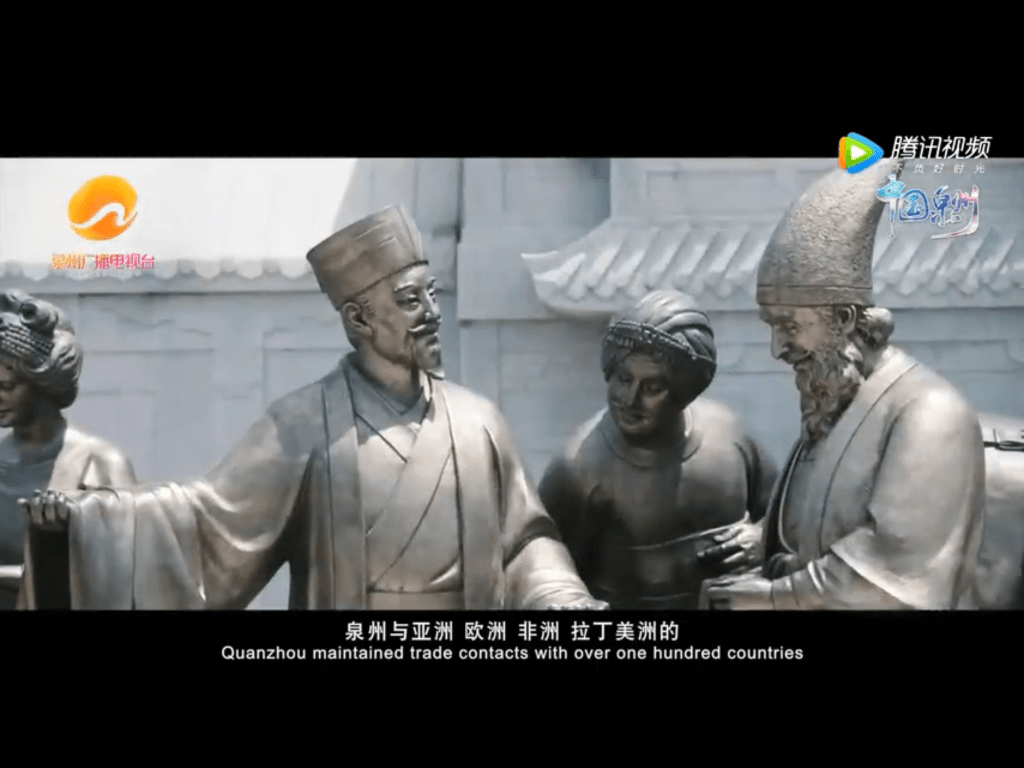


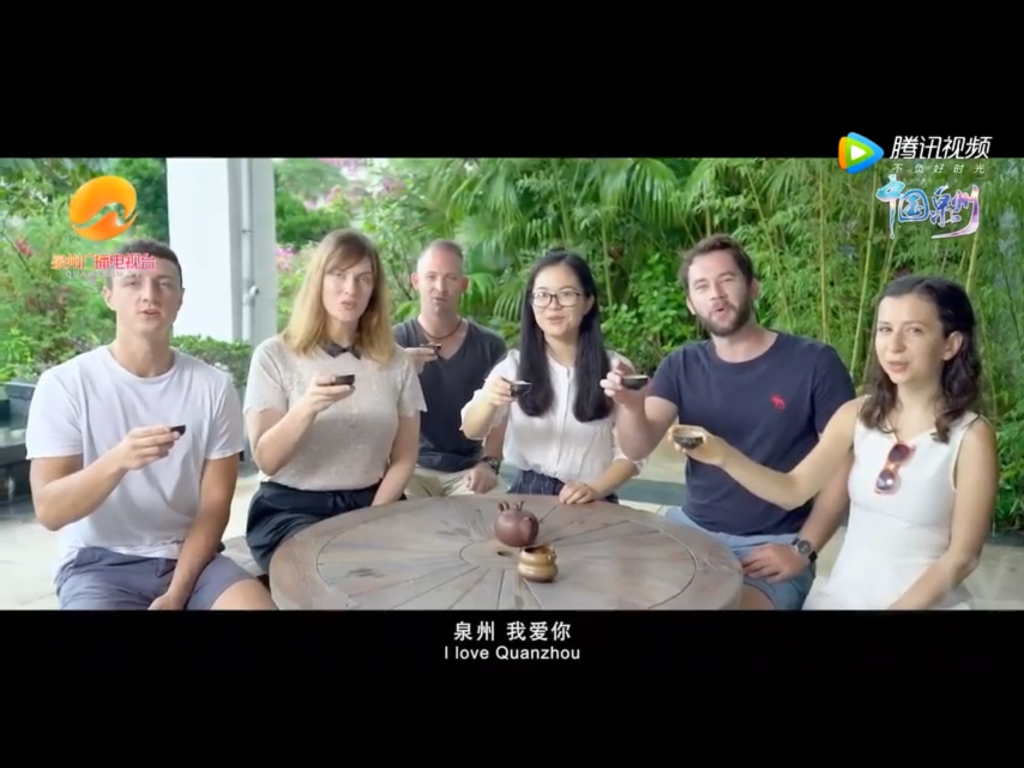
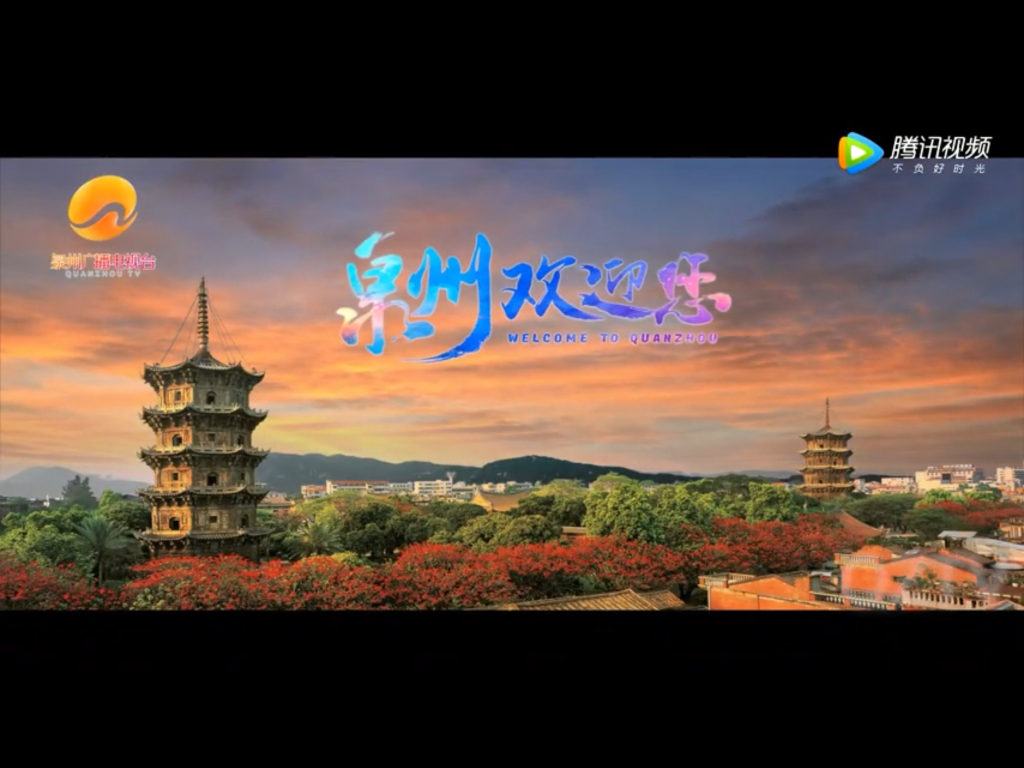
This short ten-minute video is a promotional video for the city of Quanzhou. First, the video explains Quanzhou’s ancient history. Under the Song and Yuan dynasties, Quanzhou was both a huge maritime trade port as well as a city with many religions and ethnic groups co-existing peacefully. Since the city has maintained their historical sites and cultural relics so well, the city is listed in both the Cultural Heritage List and Memory of the World Register. Second, the video explains how Quanzhou has been a pilot city for China’s “real economy”, which promotes and expands private industries. Quanzhou has several major industries: textiles garments, shipbuilding, footwear, home furnishing, petrochemical, and mechanized equipment. The surrounding areas are also doing well in growing tea, designing ceramics, and making aromatics. The video concludes that Quanzhou is a city that strives towards industrial transformation and technological innovations.
Although this isn’t related to my guiding questions, it was interesting to learn that Quanzhou and Fujian’s local Chinese population under the Song and Yuan dynasty created special types of music. Known as the “living fossils”, these musical styles include Nanyin music and Liyuan opera. The Nanyin includes the playing of local instruments and lyrics from the local Fujian dialect.
I watched this video because I wanted to see how much of the old Quanzhou is present in the modern-day Quanzhou. It still is. Like the Quanzhou that was ruled under the Song and Yuan dynasties, modern-day Quanzhou relies on manufacturing and cash crops to boost its economy. Quanzhou and its surrounding areas manufactures ships, grows tea, and designs textiles and ceramics, like Quanzhou did under the Yuan Dynasty. Of course, modern-day Quanzhou has expanded its industries to include manufacturing buses, creating home furnishing, and designing footwear. From 900AD to 2017 AD, Quanzhou is a city that strives towards industrial transformation and technological innovations.
YANG, J. (2018, September 7). 中国福建泉州2017城市宣传片(China Quanzhou 2017 City Promotional Film) [Video]. YouTube. https://youtu.be/cTWCdHqS3Dc
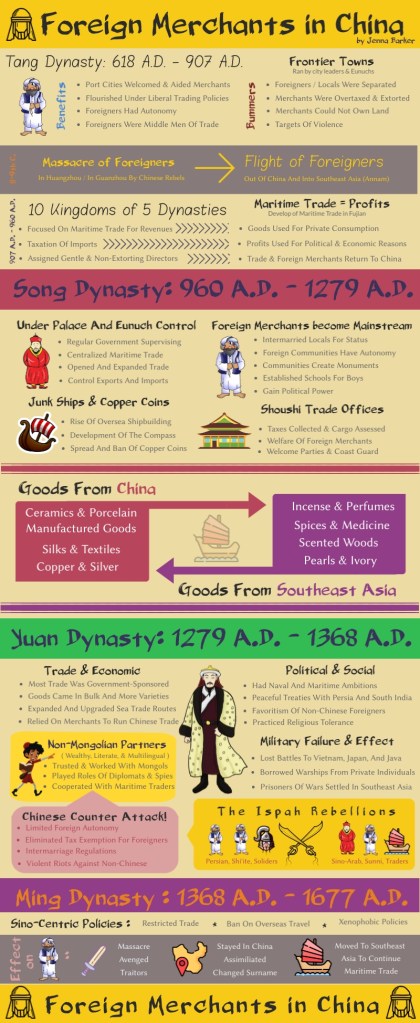
Chaffee, J. W. (2018). The Muslim Merchants of Premodern China: The History of a Maritime Asian Trade Diaspora, 750–1400: Vol. 17. New Approaches to Asian History. Cambridge University Press. https://doi.org/10.1017/978051199849
In this chapter, Lincoln Paine (2013) describes the further rise of maritime trade in Quanzhou during the Yuan Dynasty and its decline during the Ming Dynasty. After helping the southern Song government defeat the northern Jin government, the Mongols attacked the Songs, but their horses were no match for Song warships. Once the Mongolian leader, Kublai Khan, adapted his forces for naval combat, he defeated the Songs and founded the Yuan Dynasty. As leader, Kublai Khan had bold maritime ambitions so he increased the naval army and developed maritime trade in the region. For his naval army, he demanded 2000 ships to be built, which decreased the amount of timber in China. To increase trade, he aimed to conquer Korea, Japan, and Java, but only was successful in conquering Korea. His defeat in Java lost him 20,000 Chinese sailors, who remained in Southeast Asia as prisoners of war. For trade, he improved navigation, dredged channels, built more warehouses, docks, and anchorages; erected lighthouses, and developed safer sea routes. His government lent ships to foreign merchants and split the profits 70:30. The government, of course, getting the higher share. From this rapid expansion of trade, navigational practices, including the early form of the compass and seaway charts, emerged.
In 1330s, the Yuan dynasty faced famine, plague, and repeated flooding, and therefore, was replaced by the Ming Dynasty. The Ming Dynasty’s leaders were native Chinese and sought a Sino-centric path. Under Taizu Ming, China prioritized border defense and protection against pirates over maritime trade. As Neo-Confucian believers, he and the Ming Dynasty did not prioritize technological advances in shipbuilding or sea navigation, financial institutions, or the legal protection of private property. Instead of open foreign trade, they focused on increasing Chinese prestige overseas. To encourage tributes to the emperor and eliminate trade competition with expatriate Chinese, the emperor sent Zheng He, a Muslim eunuch, and a fleet of hundred ships around the Indian Ocean. Zheng He went on many voyages. Although China was excited about Zhang He’s victory over pirates during his first voyage, they grew bored by his last voyage because China was too busy dealing with domestic issues, such as river floods, epidemics, currency depreciation, and preoccupied armies. In the 1430s, the Ming government prohibited Chinese ships and sailors from overseas travel, stopped building ships for overseas voyages, and abandoned coastal defense. Due to the decrease of oversea trade, many Chinese traders from Quanzhou abandoned China and moved permanently to Southeast Asia.
Before the Yuan Dynasty, Quanzhou was a multicultural city with foreign communities. According to written documents by visitors, the foreigners were split between the fair-skinned (Arabs and Persians) foreigners and the dark-skinned (Southeast Asian and Indian) foreigners. Second, Lincoln Paine points out that in 1292 Kublai Khan sent a Yuan princess (with 14 ships and Marco Polo) to Persia to wed a Persian prince, not by land – the typical Mongolian way- but by sea. Marco Polo reported this in his book, The Travels. Although China grew bored of oversea trade, the Zhang He’s voyages encouraged local rulers to start minting their own coins and adopt a coin/cash economy.
This chapter claims that Quanzhou’s multiculturalism supported its growth as well as its decline. Since the leaders of Yuan Dynasty were Mongols, their dynasty encouraged religious tolerance, overseas trade, and naval expansion. Because they had previous work experience with Arab-Persians, the Mongolian rulers favored foreign merchants over the Han Chinese, and gave them political, military, and economic power to rule over Quanzhou. After the Ming Dynasty retook China from Mongolians, they wanted China to go back to its “Chinese” ways, or in their case, Neo-Confucian ideals. They pretty much wanted to “Make China Great Again”. As a counterattack against the open trade policy of the Yuan Dynasty, the Ming Dynasty stopped overseas trade, alienated maritime merchants, and ignored their naval defense. Due to these trade restrictions, Quanzhou stopped being a major port city and many of its residents either moved to Southeast Asia to trade or moved to the mountains to farm. This chapter really paints a picture on how government policies can impact positively and negatively on international trade and cultural diversity in a region.
Paine, L. (2013). The golden age of maritime trade. In The Sea and Civilization: A Maritime History of the World (pp. 346-375). Random House.
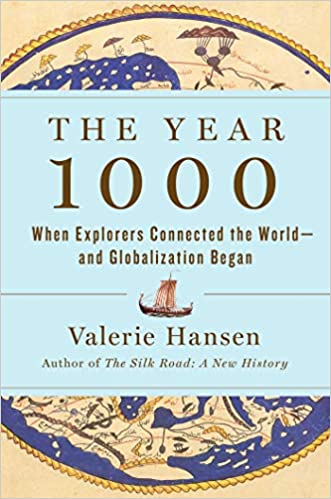
Valerie Hansen (2020) describes the globalization and its effect on China. Under the Tang dynasty, eunuchs inspected foreign merchant ships’ cargo, selected what they wanted to buy for the royal courts, and then allowed the merchants to sell whatever was leftover. From the early Song to 1030, the emperor invited and continued the tribute system with trading partners. Later, the system halted and shifted to taxing foreign goods. Superintendents, who oversaw trade, taxed foreign merchant ships three times. The first tax was a 10-20% tax on the total cargo value of the ship. The second tax was a lowering of prices on luxury goods that only the Song government could buy. The third tax was on bulk goods, which could be sold directly to Chinese consumers. One port, Quanzhou, did not have a superintendent, but it still prospered through smuggling. Later, once a superintendent was assigned, this city surpassed Guangzhou in prosperity. This prosperity changed the lives of Fujian residents. Many stopped farming subsistence items in favor of cash crops such as lychee, sugarcane, and hemp. Most farmers bought food from the markets, or quit farming to work in the mines, to fish, or to harvest ocean salt. 5-10% of Fujian population of 5 million were involved in manufacturing of ceramics.
The biggest and most fashionable import from overseas was aromatics or scented woods. Regardless of their socioeconomic class, everyone in China purchased or used aromatics in the daily lives. They used them to fragrant their houses, clothing, and their bodies. They were used in drinks, snacks, and foods. They were included in their medicines. The wealthy consumed large qualities of them and used them to display their wealth. Emperors created their own brand of incense. Chinese merchants experimented with multiple scents to improve the taste of snacks, which were bought even by the poorest of customers. A rebellion in Central China was caused because the locals did not like how the government made them buy aromatics in large quantities.
There were a lot of interesting trivia included in this chapter about maritime trade and the impact of China’s participation. One trivia point is that Chinese coins were circulated and used as currency in Japan and Java during this time period. Also, under the Yuan Dynasty, Chinese learned more about the geography of Southeast Asia as well as new navigational technology. However, they all thought the world ended beyond the Philippines and that any ship there will just drain out. Therefore, Chinese navigators did not explore the area beyond the Philippines.
This chapter’s main focus was the impact of aromatics had on the lives of Chinese under the Song and Yuan dynasties. Aromatics, like scented woods, were not a Chinese local item. They came from trade with Southeast Asia and Indian. Chinese people used them as perfumes, as flavors for their snacks, and as medicines. They were a product everyone used. In exchange for aromatics, they traded ceramics, silk, metals, cash crops, and other materials. Since oversea countries wanted those products, Fujian province focused their economy on those items. About everyone in Fujian was involved in the growing, mining, and manufacturing of exports. Globalization affected the Quanzhou and its province of Fujian.
Hansen, V. (2020). The most globalized place on Earth. In The Year 1000: When Explorers Connected the World. Scribner.
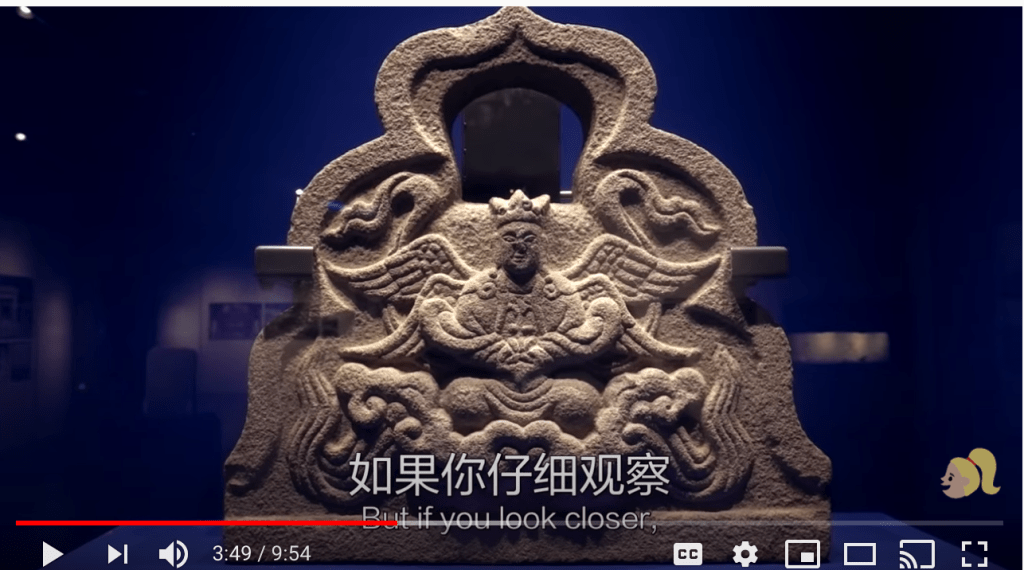
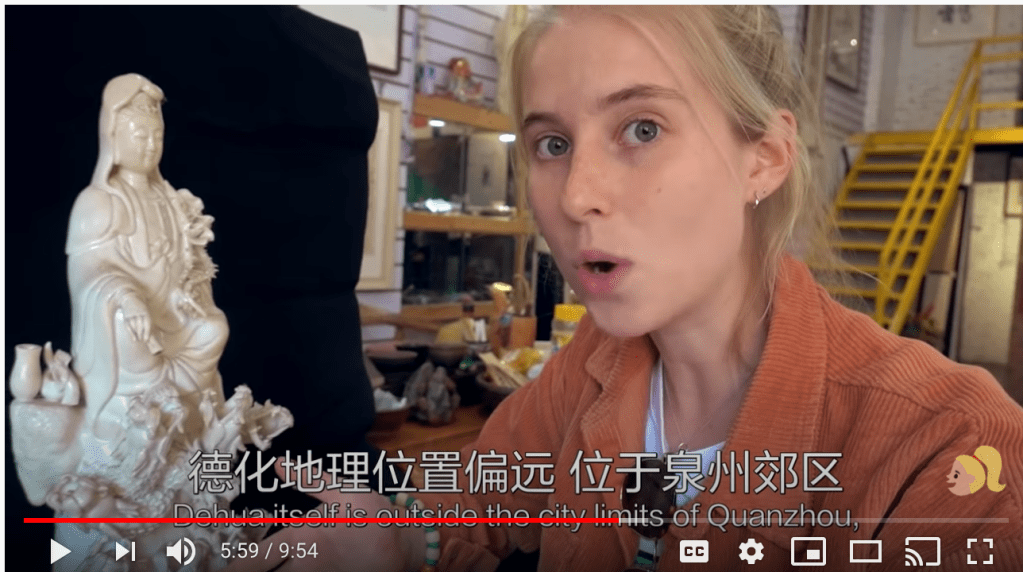
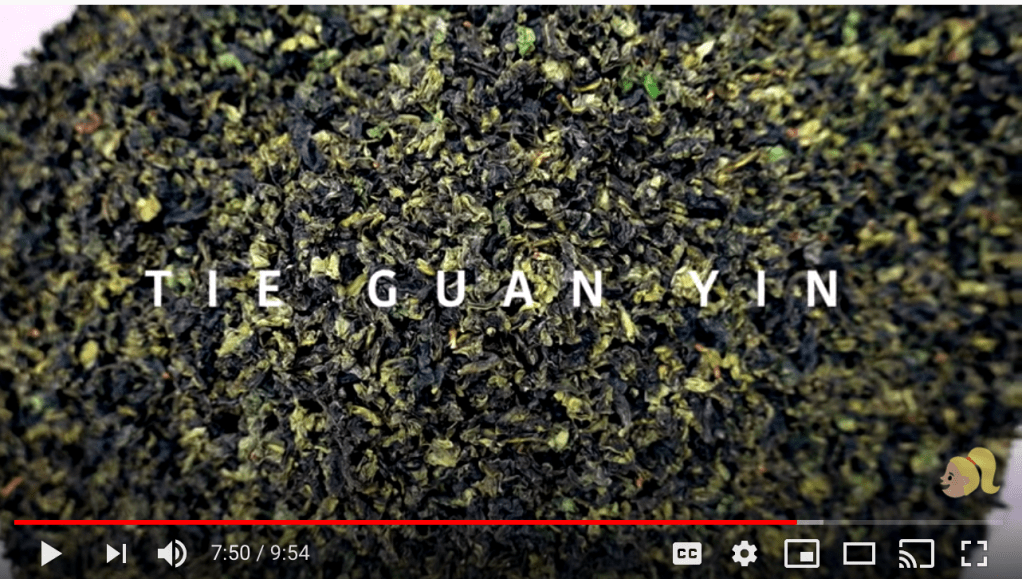
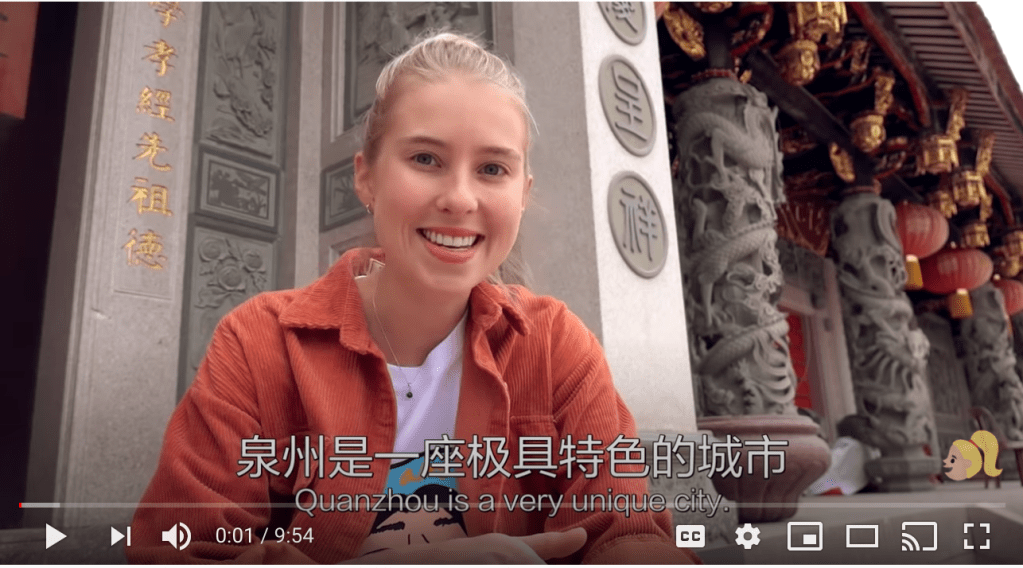

An Australian Youtuber, Amy or “Blondie”, who has traveled and lived in China for five years, presents an informative overview about the culturally diverse city of Quanzhou. In this video, she first explains that Quanzhou was a cultural city that valued religious freedom and openness. While walking, she shows that the Qingjing Mosque, the Guanyu Temple, Quannan Christian Church, and Kaiyuan Temple are all a short walking distance from each other. In Quanzhou, she elaborates that you can see a mixture of religions through Hindu motifs on the Kaiyuan Temple’s two pagodas and the 4-Wing Angel carving that resides in the Quanzhou Maritime museum. She also discusses the popular items that Quanzhou exported around the world, which includes white porcelain made in Dehua and Tie Guan Yin tea produced in Anxi. From 900-1200AD, Dehua area, which is located in the outskirts of Quanzhou, produced white porcelain, which was sent around the world and known for its color and quality. It was a sought-after item by Europeans during the Ming dynasty. Tie Guan Yin tea was produced in Anxi, an area located in periphery of Quanzhou, and is still known for its sweet taste and nice fragrance.
There are a lot of interesting tidbits she discussed during this video. One of them was the everlasting multiculturalism of Quanzhou. Along the alleyways or houses, one can still see the Arabic influences. When asked about it, one staff member at the Quanzhou Maritime Museum explains that around 60,000-70000 of the Quanzhou population are descendants of Arabic maritime traders. Another interesting tidbit is the meaning behind the inscription on the stones on Jiuri Hill. According to Blondie, these inscriptions are prayers in the wind that wishes “travelers, traders, the businessman at that time safe travels, good winds, and smooth sailings”. Blondie believes this shows that Quanzhou loved the foreigners that came to Quanzhou.
This video answers both questions. It provides an explanation for the cultural and economic reasons why Quanzhou became a multicultural city. The cultural reason is that Quanzhou was open to foreigners, their culture, and their religions. Foreigners are more likely to stay in a place and make that place their home if the city and the community welcomes them. The economic reason is that the major exports that China gave the West was tea and porcelain, and those were developed in the periphery of the city. However, these two sites could have been created because Quanzhou was already a port city and developed sites closer to Quanzhou.
Blondie in China. (2019, December 19). Quanzhou: Where world cultures meet [Video]. YouTube. https://youtu.be/Ubs8a89sWL4
 My Content Resources