
Summary of Book Chapter
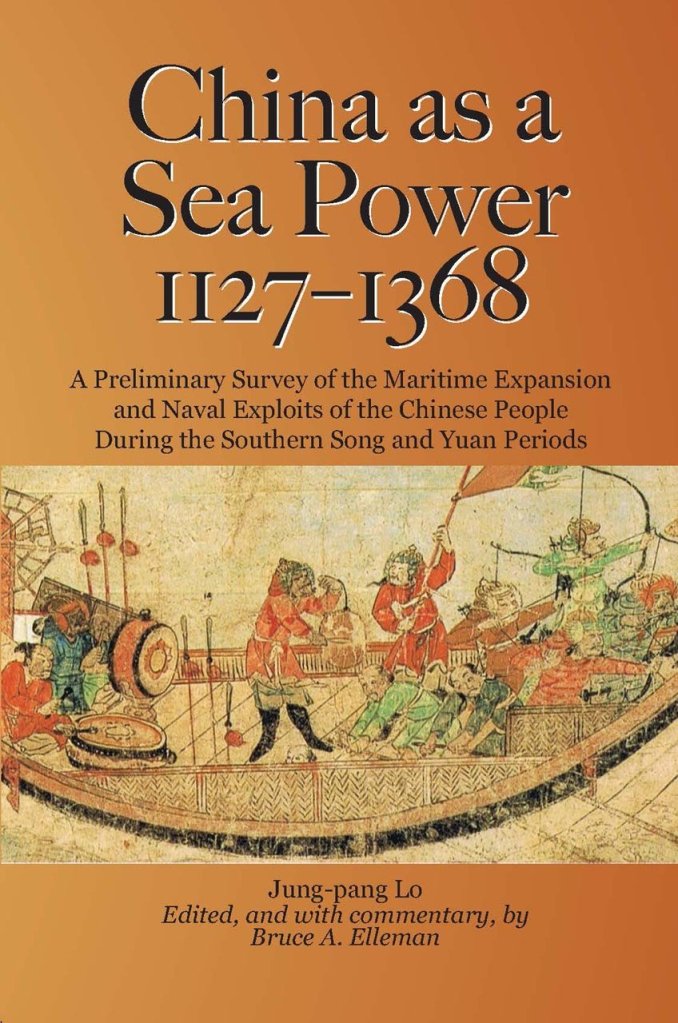
In this chapter, Jung-pang Lo (2012) explains the reasons for the rise of maritime trade in China. During the Tang and Song dynasties, there was a huge mass movement of Chinese people from Northern China to Fujian because of impoverish soil, oppression of alien rule, foreign invasions, and civil commotions. Since the new southern government could no longer rely on the agrarian economy to gather revenue, they embraced trade and commerce. With the increase of production and the low prices of ceramics, textiles, and paper, more merchants were able to sell more products and more common people were able to buy it. Since the government taxed both the production and traded items, government reaped a lot in tax revenues. Since the government needed money to protect and delay invasions from the northern invaders, they favored strengthening their naval forces and their influence on trade instead on their Neo-Confucius ideas of a self-efficient China. They also restricted some imports from the general public because they needed the imports for trade with northern aliens as well as for naval defense. One such import was steel and that was used for swords and shipbuilding. Also, some expatriate merchants would donated and sold their ships (and crew) to the government to help with the government’s defense.
The Song Dynasty founder encouraged maritime commerce and the opening of ports. For every Chinese port city, he established a superintendency of merchant ships office. The functions of this office was to handle the affairs of foreign merchants, inspect foreign ships, levy duties on imports, supervise Chinese merchants who went abroad, and license their ships. The officials of this office listened to merchant complaints and some sent requests to the government to reduce their grievances. Most of the time the government granted their request. To increase trade, the government wanted foreign merchants to think that China was an attractive place to trade their goods. They aided shipwrecked foreign sailors, weakened Chinese laws for lawbreaking foreigners, and offered influential merchants government positions. Also, if any merchants were able to get a large number of foreign traders to ship goods to China, the government would give them official ranks. Lastly, in order to manage their monopolies on trade, the government would ask merchants to transport and retail government items (tea, alcohol, and aromatics) to the masses.
Interesting Tidbits
One fact that I found interesting was that Emperor Gaozung first found foreign goods to be useless and wasteful luxuries, but once he realized how huge his profits were from trade, he changed his mind and encouraged maritime trade. Another fact was that Southern China was known for typhoons, storms, mud, rivers, and shallow waters. Although these waters were connected to many places, it was difficult to maneuver with a ship. Therefore, thanks to the considerable development in water control and land reclamation, these southern port cities were able to make it more ship accessible.
Connection to Guiding Question
This chapter answered my first question as to why Quanzhou became a trade city and therefore a multicultural city. Alien invaders invaded Northern China, so the government, who lost their capital in the north, had to reclaim their lost power by moving south. To protect their new borders and to keep their invaders at bay, the government needed money and goods. Maritime trade provided them with that revenue. By opening more ports, managing trade, and welcoming traders to China, the government increased their revenue as well as the port cities’ wealth in cultural and religious diversity.
Lo, J.-P. (2012). Development of maritime trade. In B. A. Elleman (Ed.), China as a Sea Power, 1127-1368 (pp. 186-208). NUS Press.

 My Content Resources