
Summary of the Chapter
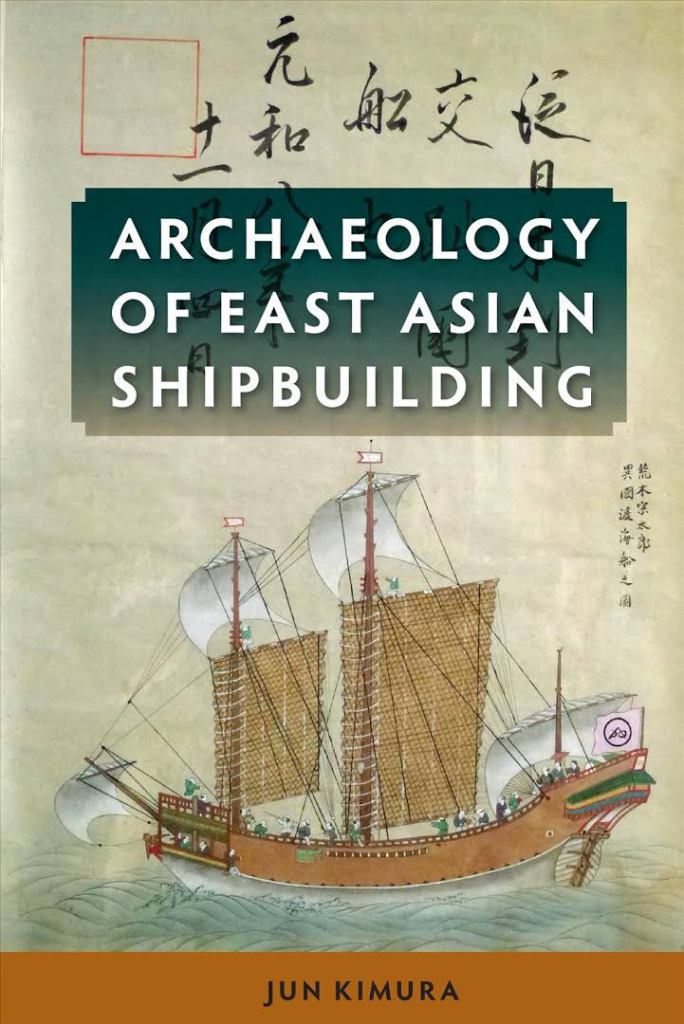
In the fourth chapter of the book, Archaeology of East Asian shipbuilding, Jun Kimura (2016) describes the construction and discovery of the sunken merchant ship found in the tidal mud flats off the Honzhu Harbour in the 1970s. Honzhu Harbor is one of the two harbors of Quanzhou city. The other one is Fashi. Archaeologists found that it was a ship constructed in the early 1270s under the Yuan Dynasty and sunk in mid-1270s. Maritime trade commodities were found in its cargo. The cargo contained scented woods and spices like pepper. The Chinese ceramics from the Song and Yuan dynasty that it had on board identified it as an Asian merchant ship. Through inspection, the ship was fairly new when it sunk and had no signs of repair. The cargo carrying capacity of this ship was around 200 metric tons. It could carry 50 people and some livestock. The design of the stowage space is suitable for small cargo items.
For the construction of the ship, Jun Kimura explains that the keel, the longitudinal structure along the centerline of the bottom of the vessel, was around 18 meters. He also mentions that the Chinese tradition of bao shou kong, which was the tradition of placing seven coins or coin holes with bronze mirror, was used in the scarf between the forward keel and mail keel. The characteristics of the bow and stern on this ship held general characteristics of Chinese warcraft. He continues that the ship’s haul planking demonstrated a complex structure and consisted of double and in part triple layered planking. Iron nails, not wood nails, were driven down diagonally and used to fasten the planks. Putty was used to protect the iron nails from erosion. The ship demonstrated an early use of iron clamps to tighten the plank tiers, which is a common Chinese ship building technique.
Interesting Tidbits
This chapter mentions that only 1% of the cargo remained on the ship. It could have been saved or taken before the sunken ship’s discovery in the 1970s. Wooden inked strips were found near the cargo on the ship. Archaeologists expect that they are tags to label the ship’s cargo. In addition to the cargo that was found on the ship, they found carpentry tools, ivory chess pieces, and chopsticks, which they expect were the crew’s personal items. I guess when the crew was on that ship, they ate with chopsticks, played chess, and used the carpentry tools to fix the ship if the ship needed some quick repairs.
Connection to Guiding Questions
This chapters answers my second question about the impact of multiculturalism or foreign traders had on Quanzhou. Because trade between foreign merchants and local Quanzhou Chinese residents was important investment in Quanzhou and the rest of China, Quanzhou spent a lot of time building trade ships. Many of these ships were privately owned by wealthy merchants. These wealthy merchants were also political leaders of the Muslim community. These ships had to be built to last long journeys and to protect their cargo. This sunken ship that was found is an example of one of those ships. Its cargo gave evidence of what was exported and imported. Its construction gave insight to the technology and craftsmanship of maritime shipbuilding.
Kimura, J. (2016). Quanzhou Ship. In J. Kimura (Author), Archaeology of east Asian shipbuilding (pp. 69-102). University Press of Florida. https://doi.org/10.1111/1095-9270.12215
 My Content Resources