
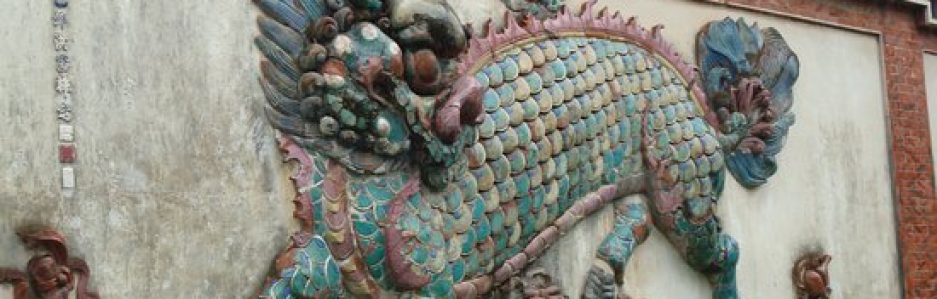

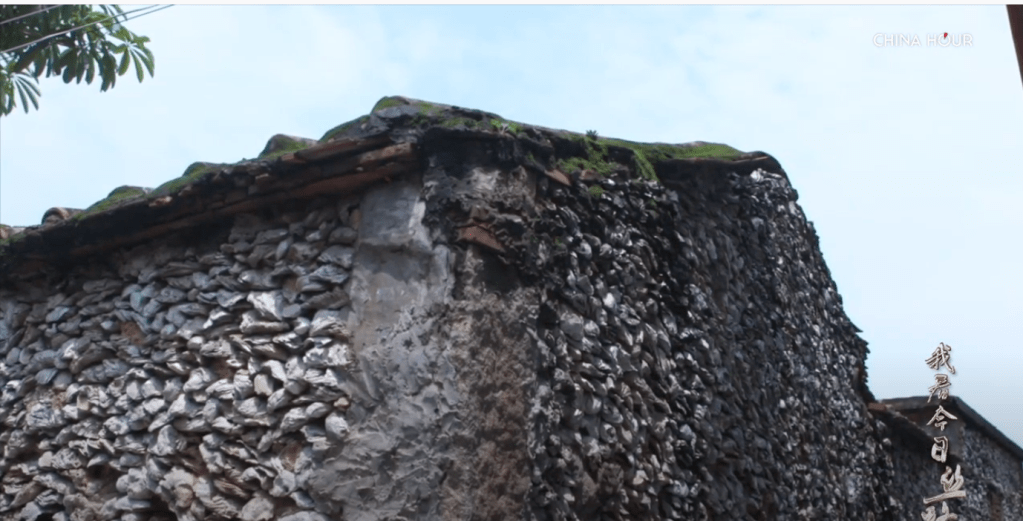
Oyster Wall Houses 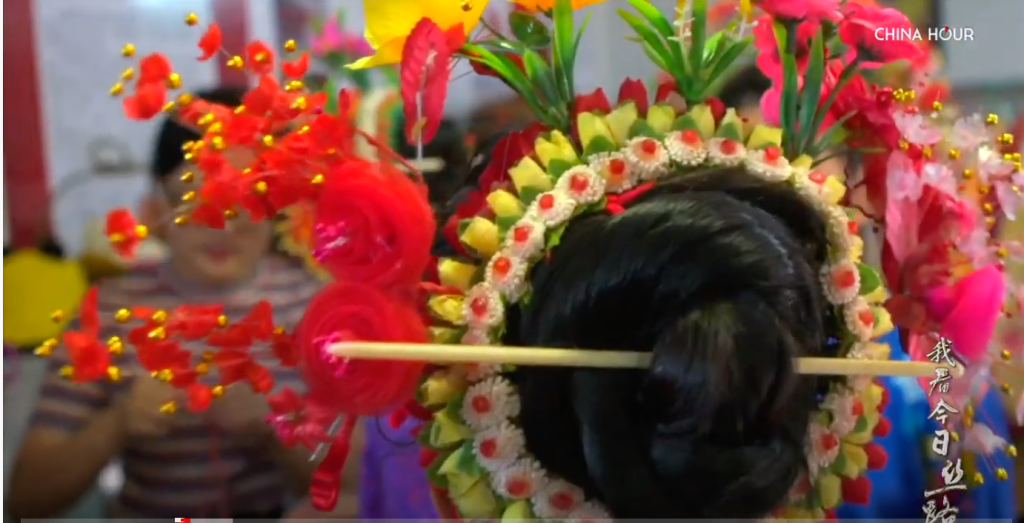
Circle Hairpin 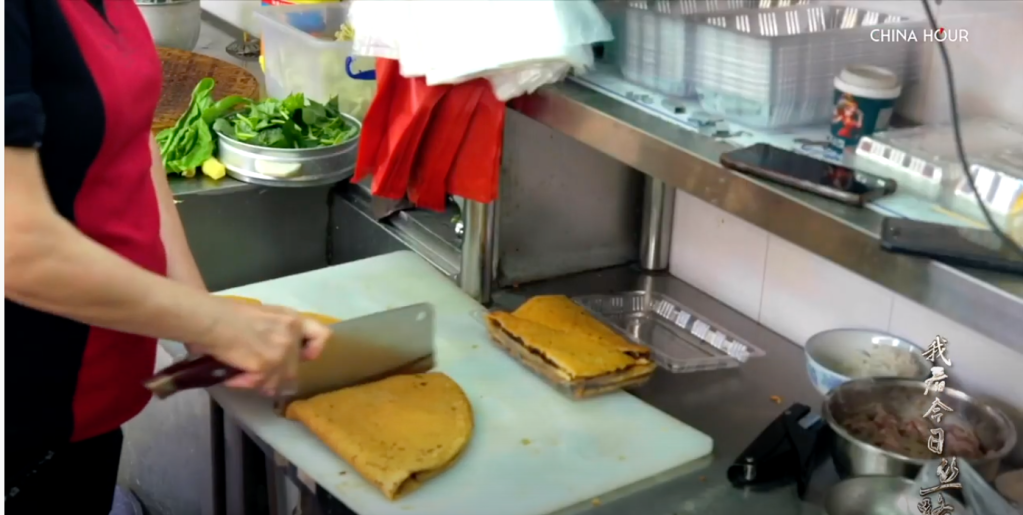
The snack 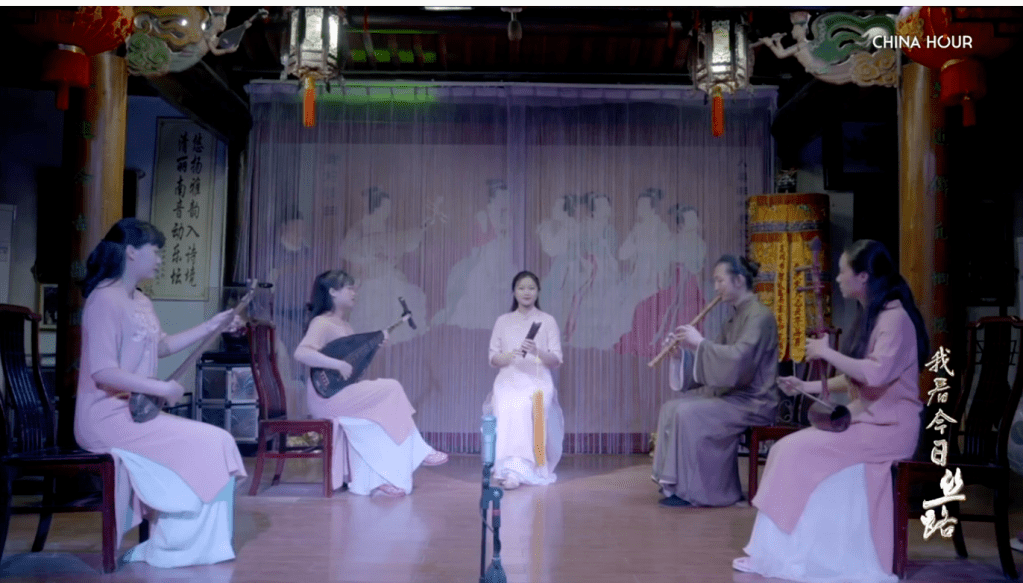
Southern Music Rhyme 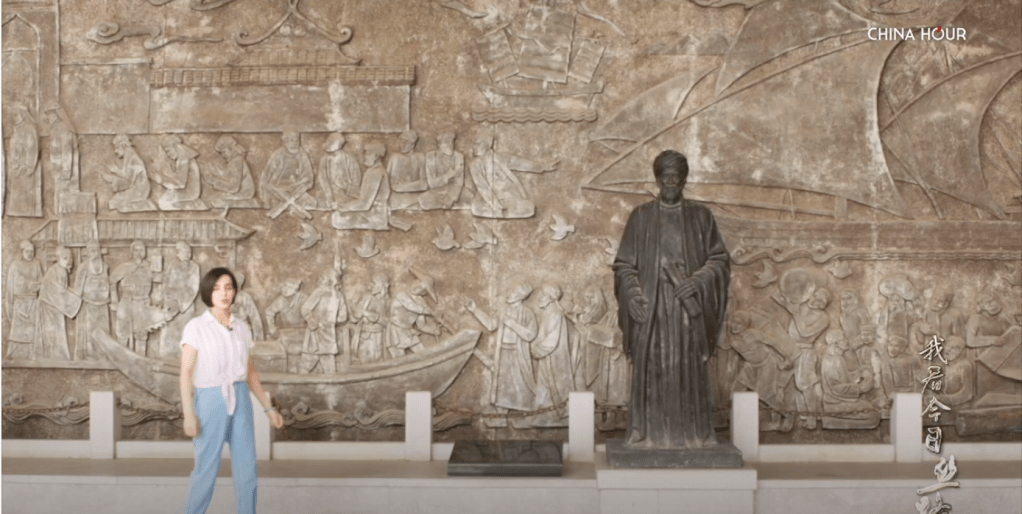
Summary of Video
China Hour (2020) explains the three cuisines that you can enjoy in Quanzhou with some interesting historical tidbits on the sides. The host, Vang Wei, explains that Quanzhou is known for its seafood especially oysters. One of Quanzhou’s historical attractions is Xunpu Village, an ancient oyster fishing village. At Xanyu village, houses were built using oysters since they were good at regulating temperatures. For example, in the summer, these walls keep the house cool, and in the winter, these walls keep the house warm. The host also explains that many people in the village claim that they are the descendants of the powerful Quanzhou merchant, Pu Shougeng. This powerful merchant also introduced the “circle hairpin”, the hairstyle that village women wear. The second food is a snack that you can eat today in West Street, Quanzhou. According to local legend, it was created by a local general to feed shipbuilders. The third cuisine is tea. One of the local Quanzhou customs is to drink tea while watching “Southern Ancient Rhyme”. Listed as a World Culture Heritage, Southern Ancient Rhyme uses the the crooked-neck Pipa instrument, which looks like the Oud, an Arabic instrument.
Interesting Tidbit
Although I wanted to hear more about the local cuisines, Vang Wei told me more about Quanzhou’s local legends. One was about the construction of the Keiyuan Temple and how the builder of Keiyuan temple owned land with many mulberry trees. One of his trees was covered with white lotuses, so he decided to build the Keiyuan temple around that tree. Although that story is just a legend, the host explains that the builder or land owner of Keiyuan Temple was a second generation leader of a clan that introduced mulberry tree planting, silk weaving, and others skills to the Quanzhou locals. Vang Wei says that because of this, Quanzhou was able to keep selling silk to Europeans and Arab merchants.
Connection to Guided Question
Through all my research, I learned how the multiculturalism of Quanzhou affect Quanzhou’s local culture, architecture, religion, and economy, but I have yet to see how they affected Quanzhou’s local cuisine. Although this video did not share as much as I would like about Quanzhou’s food, the video did share how these cuisines affected the local customs and these customs were influenced by the city’s multiculturalism. An ancient village that fishes for oysters are descendants from a foreign merchant and keep the traditions they learned through him. Quanzhou as a maritime trade city was known for shipbuilding, so of course, a local snack is related to that industry. Lastly, Quanzhou like to drink tea while listening to the Pipa instrument. The development of the Pipa instrument was inspired by the Arabic Oud instrument.
China Hour. (2020, June 16). The taste of silk road: The taste of Quanzhou [Video]. YouTube. https://youtu.be/gQ3Q3GKPcnA
 My Content Resources