Summary of Video
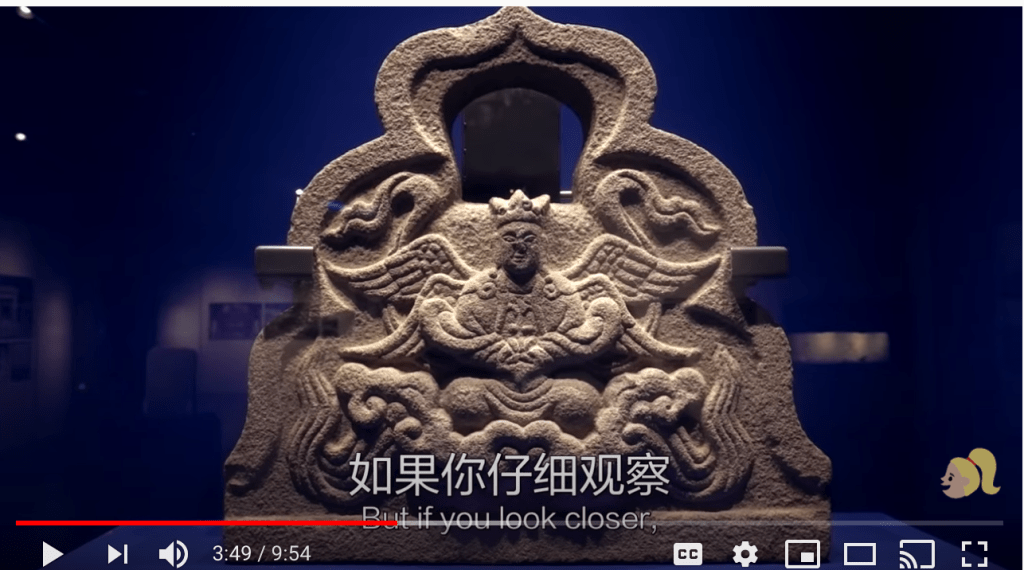
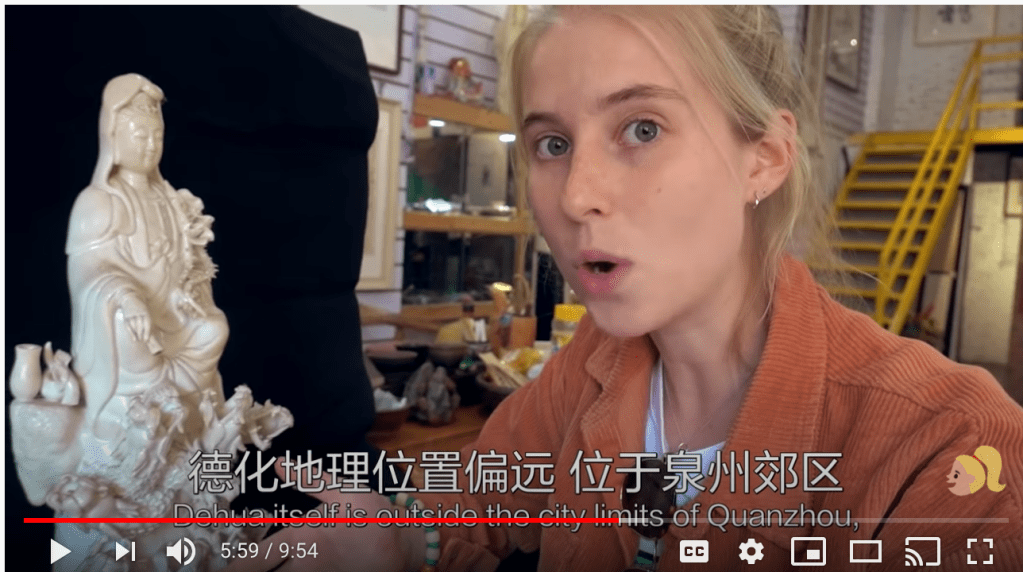
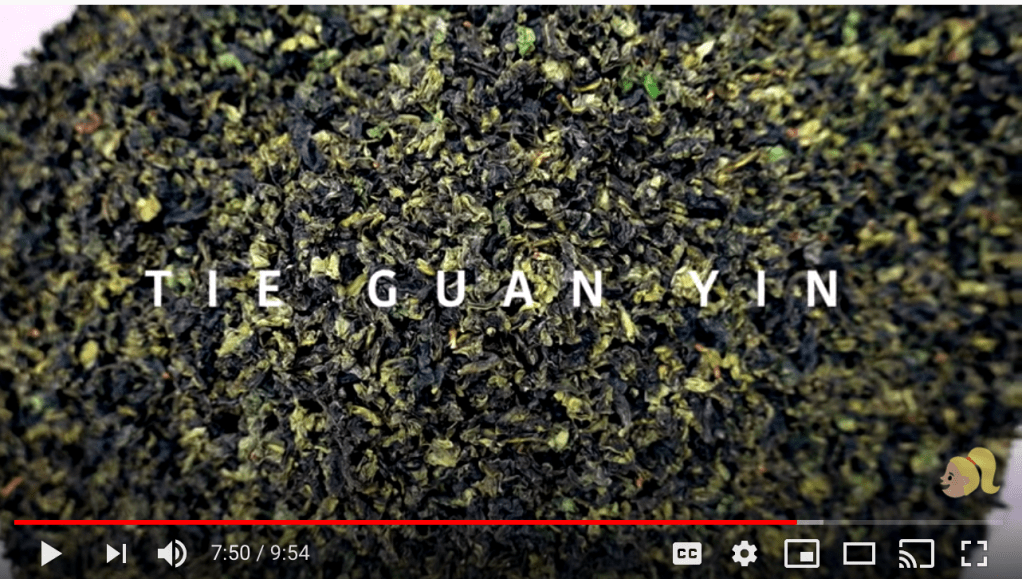
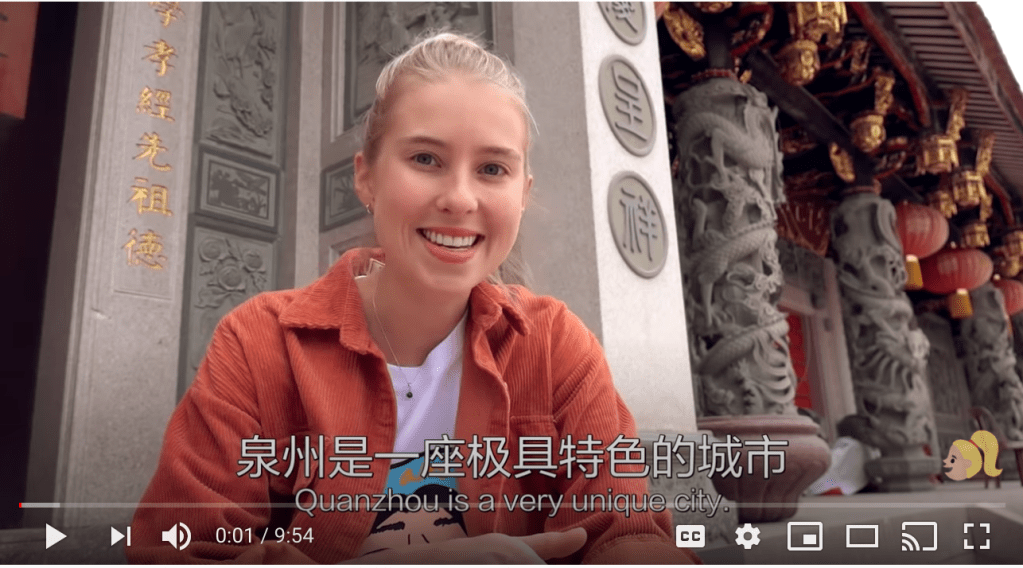
An Australian Youtuber, Amy or “Blondie”, who has traveled and lived in China for five years, presents an informative overview about the culturally diverse city of Quanzhou. In this video, she first explains that Quanzhou was a cultural city that valued religious freedom and openness. While walking, she shows that the Qingjing Mosque, the Guanyu Temple, Quannan Christian Church, and Kaiyuan Temple are all a short walking distance from each other. In Quanzhou, she elaborates that you can see a mixture of religions through Hindu motifs on the Kaiyuan Temple’s two pagodas and the 4-Wing Angel carving that resides in the Quanzhou Maritime museum. She also discusses the popular items that Quanzhou exported around the world, which includes white porcelain made in Dehua and Tie Guan Yin tea produced in Anxi. From 900-1200AD, Dehua area, which is located in the outskirts of Quanzhou, produced white porcelain, which was sent around the world and known for its color and quality. It was a sought-after item by Europeans during the Ming dynasty. Tie Guan Yin tea was produced in Anxi, an area located in periphery of Quanzhou, and is still known for its sweet taste and nice fragrance.
Interesting Tidbits
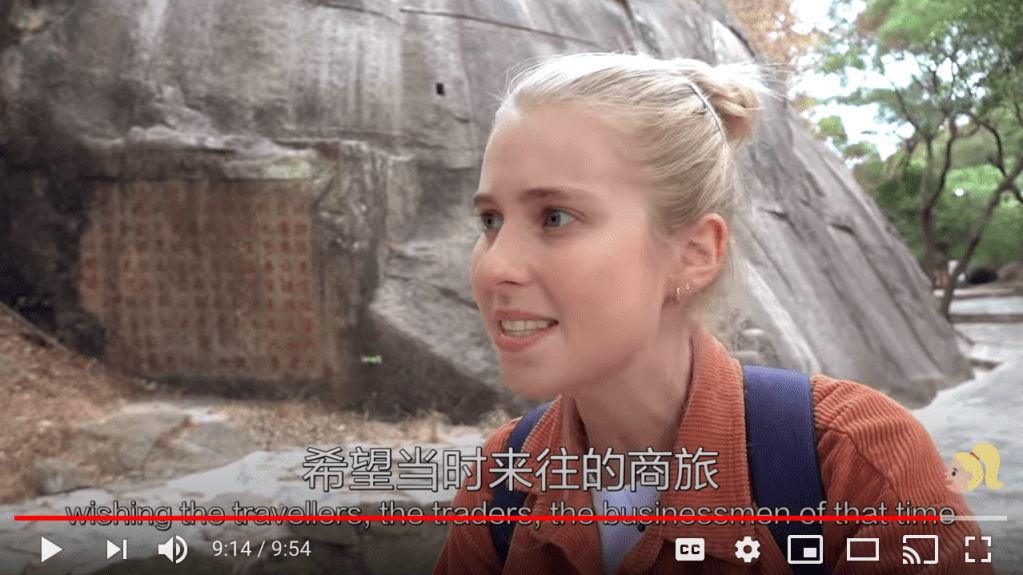
There are a lot of interesting tidbits she discussed during this video. One of them was the everlasting multiculturalism of Quanzhou. Along the alleyways or houses, one can still see the Arabic influences. When asked about it, one staff member at the Quanzhou Maritime Museum explains that around 60,000-70000 of the Quanzhou population are descendants of Arabic maritime traders. Another interesting tidbit is the meaning behind the inscription on the stones on Jiuri Hill. According to Blondie, these inscriptions are prayers in the wind that wishes “travelers, traders, the businessman at that time safe travels, good winds, and smooth sailings”. Blondie believes this shows that Quanzhou loved the foreigners that came to Quanzhou.
Connection to Guiding Questions
This video answers both questions. It provides an explanation for the cultural and economic reasons why Quanzhou became a multicultural city. The cultural reason is that Quanzhou was open to foreigners, their culture, and their religions. Foreigners are more likely to stay in a place and make that place their home if the city and the community welcomes them. The economic reason is that the major exports that China gave the West was tea and porcelain, and those were developed in the periphery of the city. However, these two sites could have been created because Quanzhou was already a port city and developed sites closer to Quanzhou.
Blondie in China. (2019, December 19). Quanzhou: Where world cultures meet [Video]. YouTube. https://youtu.be/Ubs8a89sWL4
 My Content Resources